Unlocking Mobile Game Progression: Introductory Modes, Rewards, and Multiplayer Dynamics on Handheld Devices
Leon Bauer · Aug 13, 2026
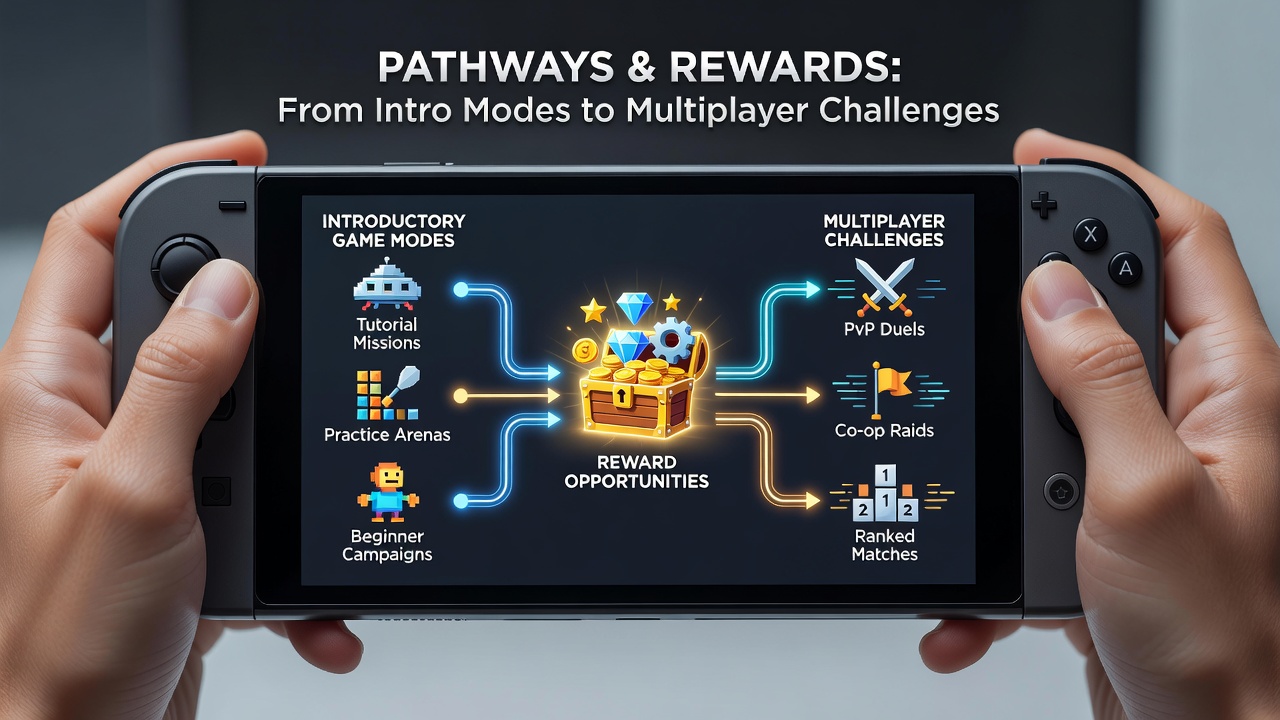
Unlocking Mobile Game Progression: Introductory Modes, Rewards, and Multiplayer Dynamics on Handheld Devices
Handheld devices have transformed how players encounter game mechanics from the first moments of interaction, and research from the Entertainment Software Association shows that introductory sequences now guide users through core systems before any competitive elements appear. These early stages typically present simplified controls alongside immediate feedback loops, which establish familiarity while embedding reward triggers that activate upon task completion. Data from industry reports indicate that such structures appear across genres including strategy titles and action adventures, where players advance from isolated practice sessions into environments that incorporate social components.
Building Foundations Through Entry-Level Features
Introductory game modes on smartphones and tablets often employ step-by-step guidance that highlights movement, resource management, and basic objectives, according to findings published by the Interactive Games and Entertainment Association in Australia. Players complete these segments to unlock initial incentives such as virtual currency or customization options, and this pattern creates measurable retention spikes during the first week of engagement. Studies conducted at the University of California, Irvine, reveal that completion rates for these modes correlate with later participation in group activities, because the early rewards reinforce habit formation without requiring external competition.
Designers integrate progression bars and milestone notifications directly into handheld interfaces, which allows users to track advancement while remaining within the same application window. Figures from Newzoo market analysis demonstrate that titles released between 2024 and 2025 increased the number of tutorial checkpoints by an average of 18 percent compared with earlier releases, reflecting broader adoption of layered onboarding techniques. Those checkpoints frequently tie into daily login bonuses or streak multipliers, which maintain momentum as players transition away from single-player exercises.
Connecting Incentives to Group-Based Challenges
Once basic proficiency develops, many handheld titles open pathways that link accumulated rewards to multiplayer lobbies and event-based competitions. Evidence gathered by the Canadian Interactive Alliance indicates that reward inventories serve as entry tickets for ranked matches or cooperative raids, where participants deploy earned items to gain advantages during live sessions. This linkage appears in both free-to-play and premium releases, and analysts note that seamless inventory carryover reduces friction between solo preparation and team encounters.
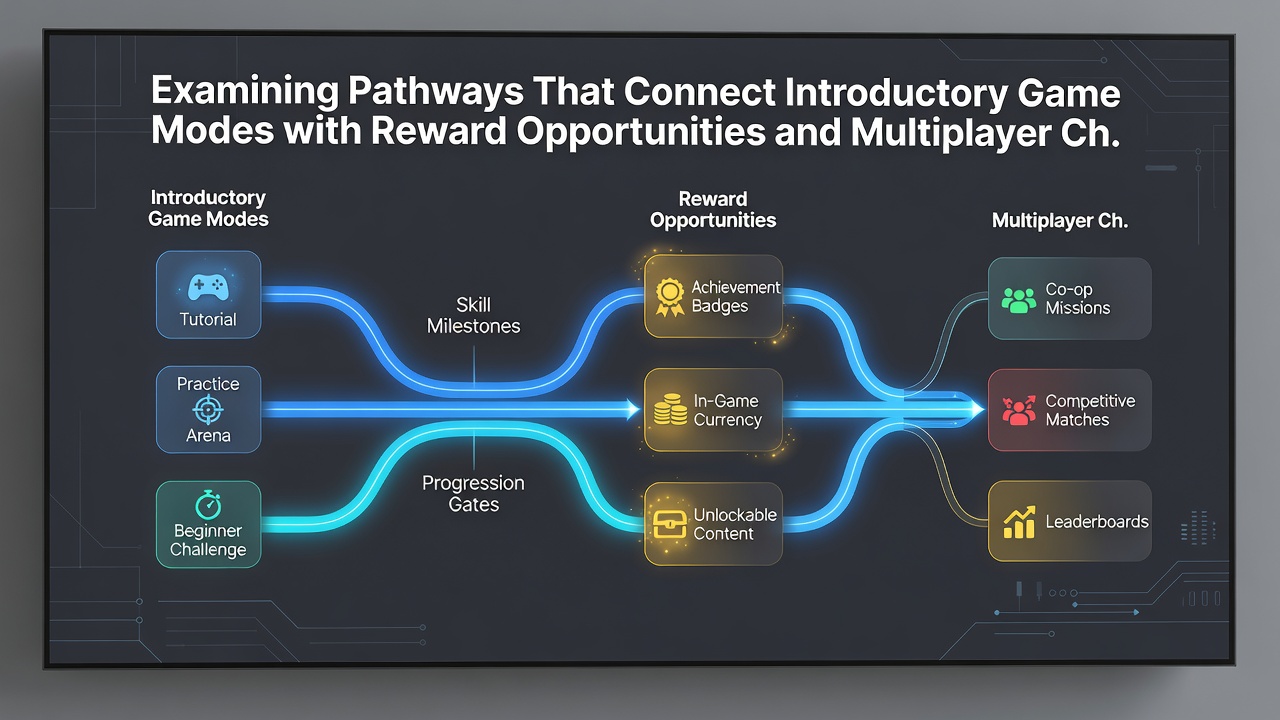
August 2026 brought expanded cross-platform events in several major handheld franchises, where introductory achievements automatically qualified users for seasonal tournaments hosted on dedicated servers. Regulatory updates from the Office of the eSafety Commissioner in Australia highlighted the importance of clear reward disclosure during these qualification phases, ensuring players understand how early mode performance influences later eligibility. Observers have documented that developers now embed real-time notifications that alert users when their collected resources meet thresholds for multiplayer entry, streamlining the shift from practice to performance environments.
Technical Pathways and Device Considerations
Handheld hardware imposes specific constraints on how introductory content flows into reward systems and competitive modes, since screen size and processing power affect loading times and interface density. Research papers from the MIT Game Lab detail optimizations that preload multiplayer assets during tutorial completion, which minimizes interruptions when players accept a challenge invitation. Battery management algorithms also play a role, because extended reward-granting sequences and subsequent group sessions must balance visual effects against power consumption to avoid device shutdowns mid-event.
Network protocols further shape these pathways by allowing asynchronous reward collection that syncs once connectivity stabilizes, a feature emphasized in reports from the European Games Developer Federation. Players on cellular networks therefore experience fewer disruptions when moving between solo reward tasks and real-time battles, since background data exchange handles inventory updates without requiring constant foreground attention. Such technical bridges maintain continuity across varying signal conditions common to mobile usage.
Conclusion
Pathways that connect introductory game modes with reward opportunities and multiplayer challenges on handheld devices rely on carefully sequenced design choices supported by retention data and hardware-specific adaptations. Industry measurements continue to track how early incentives translate into sustained participation across competitive formats, while regulatory bodies in multiple regions monitor disclosure practices around these transitions. Continued refinement of these connections appears likely as device capabilities evolve and new titles enter the market.