Tournament Dynamics: How Demo Access Shapes Promotion Strategies Across Mobile Roulette and Blackjack Events
Leon Bauer · Aug 20, 2026
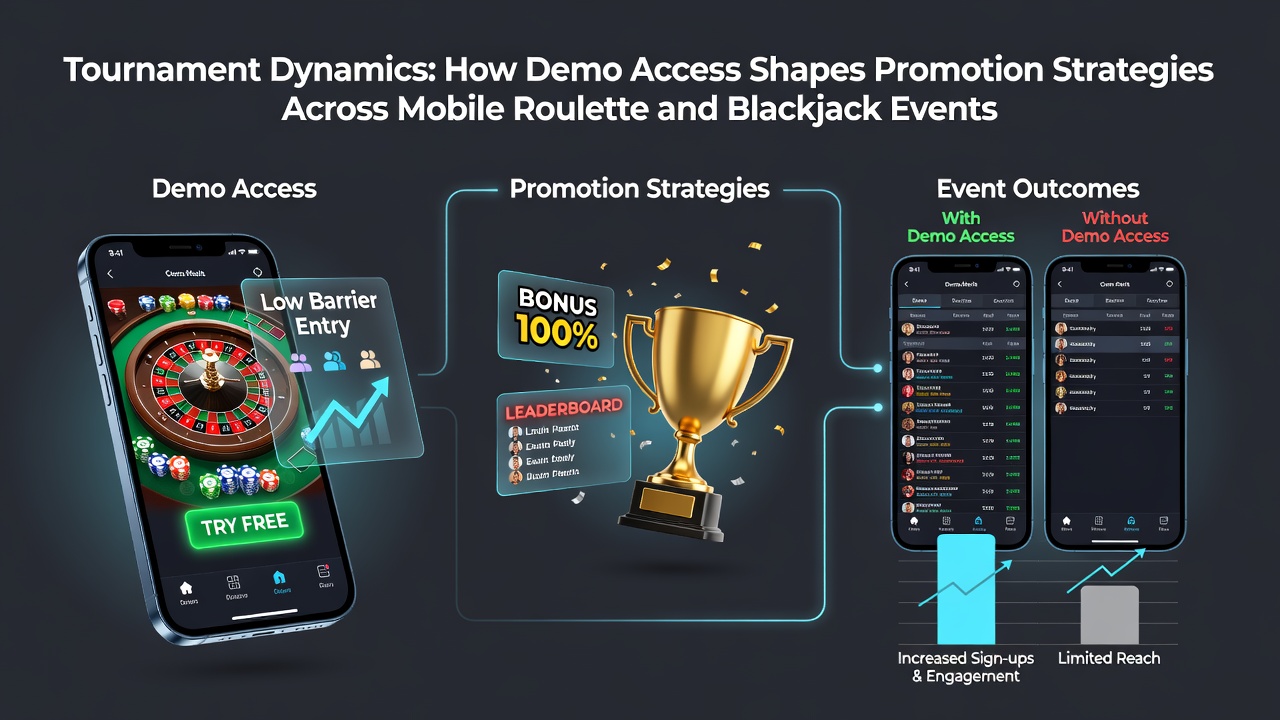
Tournament Dynamics: How Demo Access Shapes Promotion Strategies Across Mobile Roulette and Blackjack Events
Demo access has become a central element in how operators structure entry points for mobile roulette and blackjack tournaments, allowing participants to test mechanics before committing to real-money play while operators gather data on engagement patterns. Research from industry reports indicates that players who interact with demo versions show higher retention rates when those same features transition into tournament formats, and this connection influences everything from bonus allocation to leaderboard incentives across platforms.
Demo Modes as Entry Points for Tournament Participation
Operators deploy demo versions of roulette and blackjack to introduce core rules and interface elements without financial risk, and data shows these sessions often precede sign-ups for competitive events scheduled throughout the year. In August 2026 several platforms reported spikes in tournament registrations following extended demo campaigns, with figures revealing that users spending over fifteen minutes in practice modes converted at rates twenty-eight percent higher than those entering directly into paid brackets. This pattern holds across mobile environments where touch controls and session timing differ from desktop versions, and developers adjust promotion timing accordingly.
Player Pathways from Practice to Competition
Those who study user behavior note that demo access functions as a filter, highlighting individuals likely to engage with progressive elements such as multiplier rounds or side bets once tournaments begin. According to a report issued by the Nevada Gaming Control Board, mobile tournament participation increased by nineteen percent year-over-year when operators linked demo completion directly to entry credits. The same data set shows that blackjack events benefit particularly because players can rehearse card counting approximations and betting spreads in advance, while roulette tournaments see similar uplift when demo wheels include statistical overlays that mirror live dealer interfaces.
Promotion strategies have adapted to these pathways by offering tiered rewards that activate only after a player completes both demo and qualifying rounds, and this structure reduces drop-off between initial curiosity and sustained competition. External analysis from the University of Las Vegas gaming research division supports the observation that integrated demo-to-tournament funnels produce longer average session times across both game types.
Regional Regulatory Influences on Promotion Design
Regulatory frameworks in different jurisdictions shape how demo access feeds into promotional offers, with operators in Australia required to display clear separation between practice and real-money tournament entry while still permitting seamless transitions. The Australian Communications and Media Authority published guidelines in early 2026 that encourage operators to track demo usage metrics for responsible gaming compliance, and these records now inform targeted bonus structures for mobile blackjack events. In contrast, Canadian provincial regulators in Ontario have focused on transparency around payout percentages shown during demo play, which in turn affects how promotion messaging is worded for roulette tournaments.
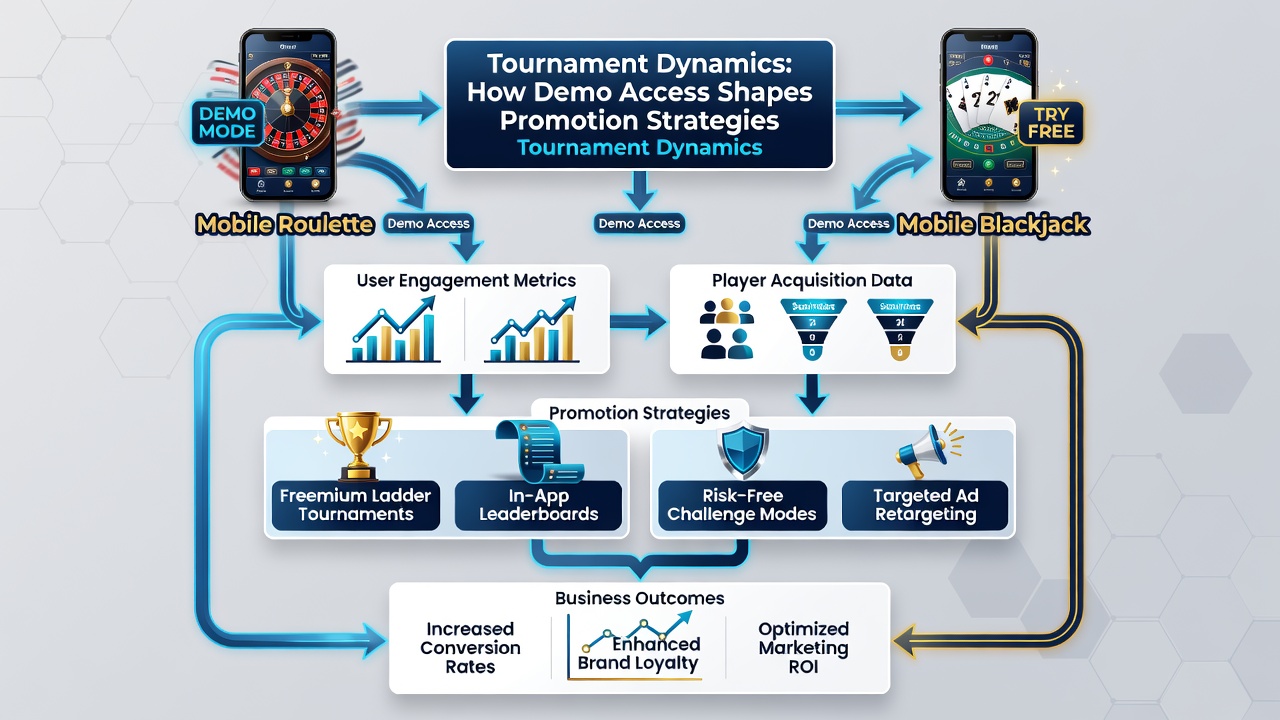
What's interesting is that these regional differences create varied promotion calendars, with operators running simultaneous campaigns that emphasize different incentives depending on the player's location. Data indicates that cross-border players often encounter distinct demo-to-tournament bridges, and this segmentation helps maintain compliance while maximizing engagement.
Technical Integration and Real-Time Adjustments
Modern tournament platforms sync demo performance data with live event algorithms, allowing dynamic adjustment of entry requirements and prize pools based on aggregate practice statistics. Observers note that blackjack tournaments frequently incorporate demo-derived metrics such as average decision speed to seed initial brackets, whereas roulette events use spin frequency patterns to calibrate betting limits during qualifying stages. This technical linkage means promotion strategies can respond in near real time, shifting bonus offers toward under-represented player segments identified through demo analytics.
Industry organizations including the European Gaming and Betting Association have documented how such integrations affect overall participation numbers, with their 2025 annual review showing mobile roulette tournaments gaining measurable ground when demo access includes historical outcome tracking. The same review highlights that blackjack events maintain steadier conversion rates when demo sessions feed directly into loyalty point multipliers rather than one-time entry bonuses.
Conclusion
Demo access continues to influence promotion architecture across mobile roulette and blackjack tournaments by providing measurable indicators of player readiness and preference. Regulatory variations, technical synchronization, and regional data sets all contribute to how operators design entry incentives and reward structures, and the patterns observed through August 2026 suggest these connections will remain central to event planning. Figures from multiple sources confirm that the transition from practice to competition benefits from deliberate linkage rather than separate marketing streams, resulting in sustained tournament ecosystems that adapt to user behavior across jurisdictions.