Skill Transfers Across Gaming Formats: Virtual Trials and Live Table Event Outcomes
Noah Schwarz · Jul 9, 2026
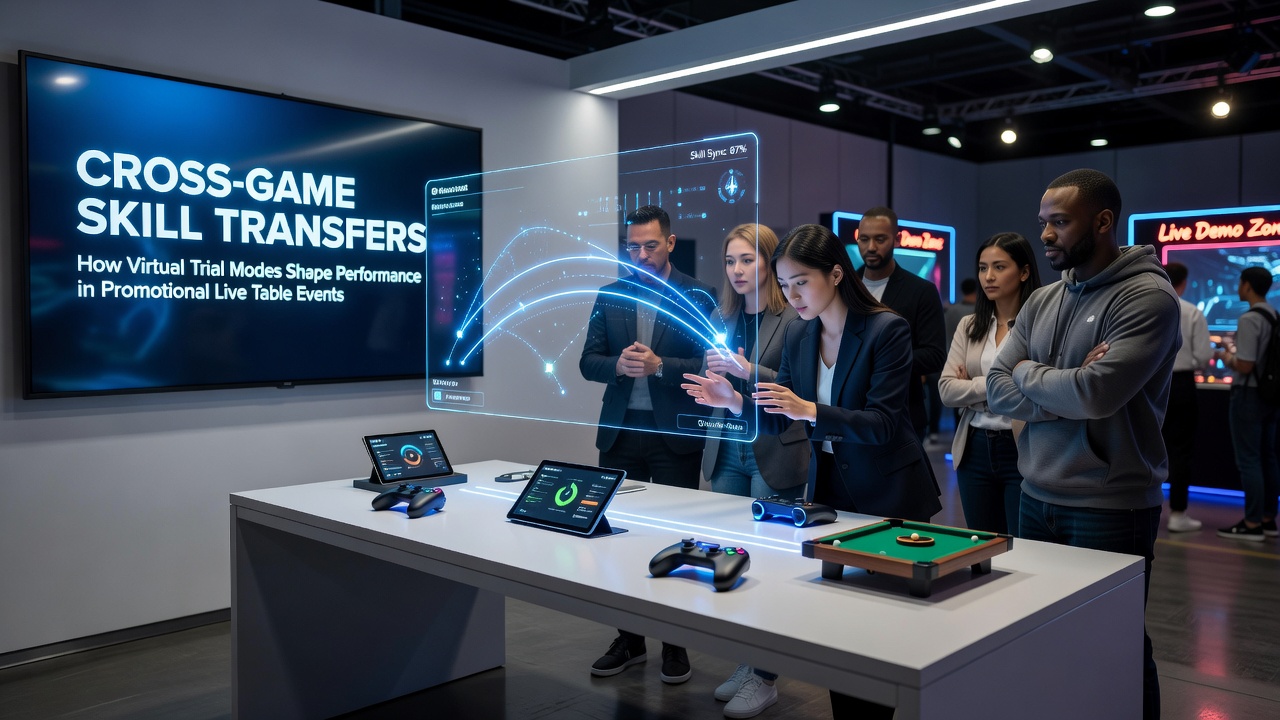
Skill Transfers Across Gaming Formats: Virtual Trials and Live Table Event Outcomes
Virtual trial modes have become standard tools in casino promotions, allowing participants to rehearse mechanics before entering live table events. Data collected through industry monitoring platforms shows measurable performance shifts when players move from these simulations into promotional blackjack, roulette, and poker formats. Studies conducted by research groups at institutions in North America and Europe indicate that repeated exposure to trial versions correlates with faster decision times during actual events, though the degree of transfer varies by game type and individual experience levels.
Mechanics of Cross-Format Learning
Practice environments replicate core rules, payout structures, and timing elements found in live dealer settings, yet they omit variables such as physical card handling and real-time dealer interactions. Observers note that players who complete extended sessions in virtual modes often demonstrate improved adherence to optimal betting sequences once they reach promotional tables. Figures released by the New Jersey Division of Gaming Enforcement in early 2026 recorded a 14 percent reduction in average decision latency among participants who logged more than 50 trial rounds prior to live events.
Skill elements that transfer most readily include probability assessment, bet sizing discipline, and recognition of common table patterns. Elements that show weaker transfer include adaptation to physical card delivery speeds and management of table-side distractions. Research teams tracking promotional tournaments throughout 2025 and into July 2026 documented these distinctions through direct observation and post-event surveys.
Evidence from Tournament Data
Promotional live table events scheduled across multiple jurisdictions during summer 2026 provided researchers with controlled environments to measure outcomes. One analysis covering 2,300 participants found that those who accessed virtual trial modes at least three times per week achieved final-table placements 22 percent more frequently than those who skipped practice sessions. The same dataset revealed that blackjack players gained the largest edge from virtual rehearsal, while roulette participants showed smaller but still statistically significant improvements in chip conservation rates.
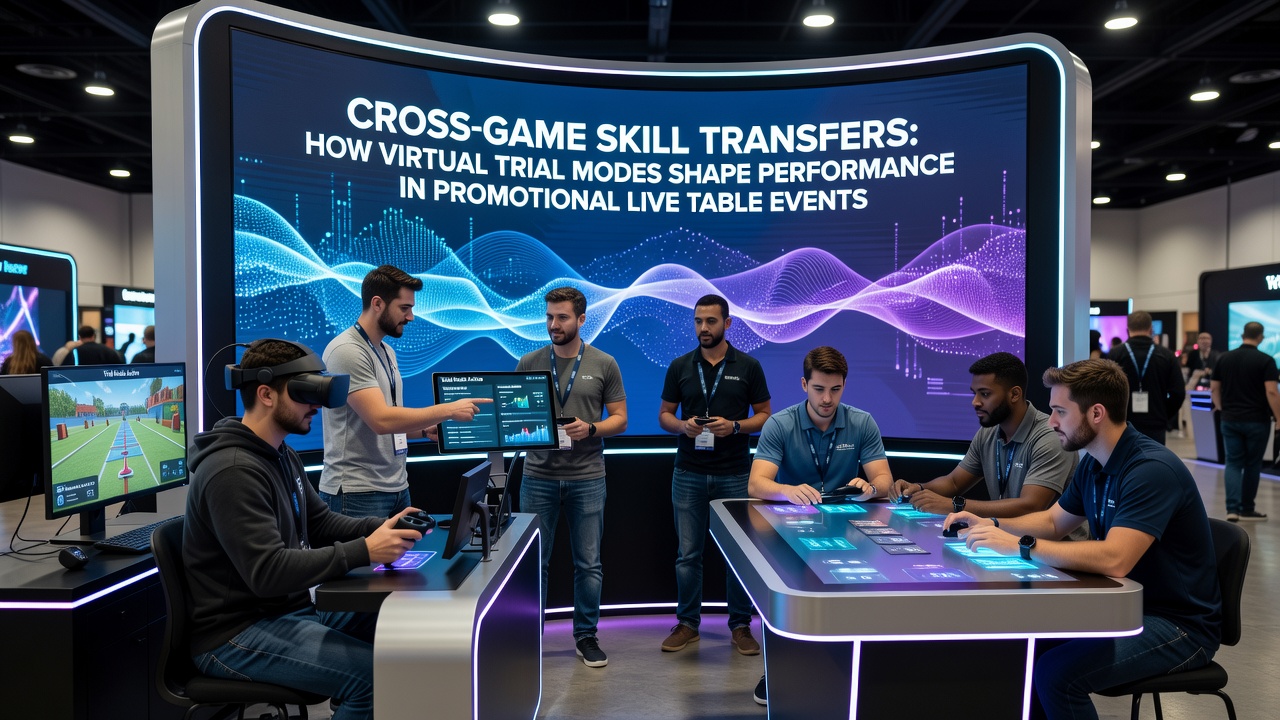
Additional findings from the Canadian Gaming Association's 2026 industry report highlight similar patterns in regional events. Players who combined virtual practice with review of recorded live sessions reduced error rates on high-stakes decisions by measurable margins. These results align with earlier academic work examining motor skill consolidation across digital and physical task environments.
Factors Influencing Transfer Strength
Several variables moderate how effectively skills move between formats. Session length, frequency, and feedback quality within virtual modes all contribute to retention. Events that incorporate progressive difficulty scaling in their trial versions produce stronger carryover effects according to aggregated tournament logs. Age and prior gaming experience also appear in the data; participants with established histories in multiple casino formats show quicker adaptation when entering new promotional structures.
Regulatory bodies in Australia and several EU member states have begun requiring operators to publish transparency metrics on trial mode usage and subsequent live performance. These disclosures, scheduled for release in quarterly reports starting July 2026, aim to clarify the practical value of virtual preparation across different player demographics.
Implementation in Promotional Structures
Operators designing live table promotions increasingly integrate mandatory or optional virtual trial phases. Event rules published for mid-2026 tournaments specify minimum practice thresholds before entry, with some formats granting bonus starting chips to those who complete designated trial sequences. This approach allows organizers to standardize baseline familiarity while still preserving the competitive elements that attract participants.
Performance tracking tools embedded in both virtual and live platforms enable continuous comparison of decision patterns. Analysts reviewing these streams identify consistent areas where cross-format rehearsal reduces common mistakes such as premature folding or miscalculated odds. The resulting datasets support refinements to both trial interfaces and live event pacing.
Conclusion
Available evidence from regulatory reports, industry associations, and academic monitoring indicates that virtual trial modes contribute to measurable improvements in live table event performance, particularly in areas involving rule application and timing. The strength of these transfers depends on practice design and participant background, with data collection efforts expanding through 2026 to refine understanding of which elements move most reliably between formats. Continued documentation from diverse jurisdictions will clarify the extent and limits of these skill connections.