Simulation Interfaces Driving Live Format Entries on Mobile Casino Platforms
Leon Bauer · Aug 15, 2026
Simulation Interfaces Driving Live Format Entries on Mobile Casino Platforms
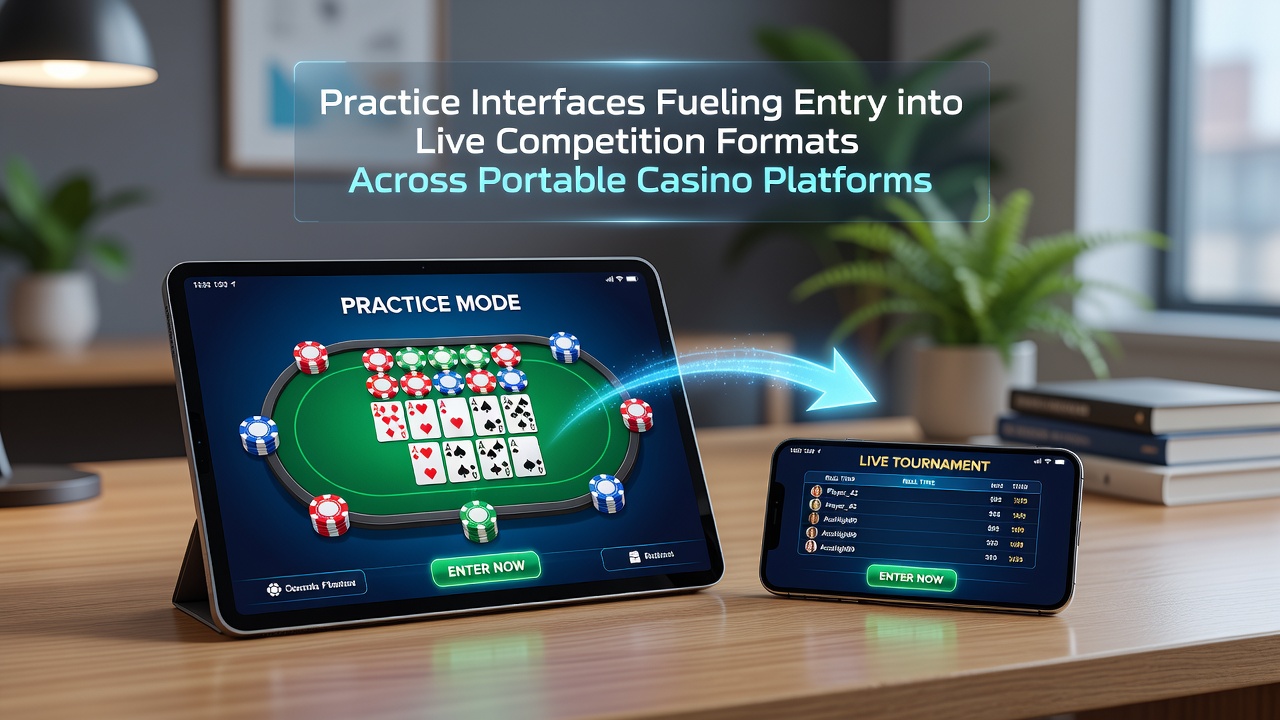
Practice interfaces on portable casino platforms have expanded steadily since the mid-2010s, with developers integrating demo modes that mirror full gameplay mechanics while removing real-money stakes; these tools allow users to test rules, timing, and strategies before entering paid live events. Data from multiple markets shows increased conversion rates from practice sessions to live tournament registrations, particularly on devices running iOS and Android operating systems.
Core Mechanics of Practice Systems
Portable platforms deliver practice interfaces through downloadable apps and browser-based versions, where users access identical graphics, sound effects, and payout structures found in live dealer rooms; these simulations run on the same random number generators employed during real-money rounds, according to specifications released by several European testing laboratories. Observers note that seamless account linking between demo accounts and verified profiles reduces friction during transitions, enabling direct entry into scheduled competitions without separate registration steps.
August 2026 marked a notable uptick in feature rollouts across major operators, when multiple providers synchronized practice modes with upcoming live blackjack and roulette tournaments; integration updates allowed progress tracking from simulated hands to actual table seats, with leaderboards displaying both practice performance metrics and live results side by side.
Skill Transfer and Tournament Pathways
Studies conducted by research groups in Canada and Australia indicate that repeated practice sessions correlate with higher placement rates in live mobile tournaments, as participants refine betting patterns and decision speed under timed conditions; one analysis from the Canadian Gaming Association tracked users over six months and recorded a 34 percent rise in qualification success among those completing at least twenty practice rounds beforehand. Mobile interfaces further support this pathway by offering adjustable difficulty sliders that replicate varying table stakes and opponent aggression levels encountered during actual events.
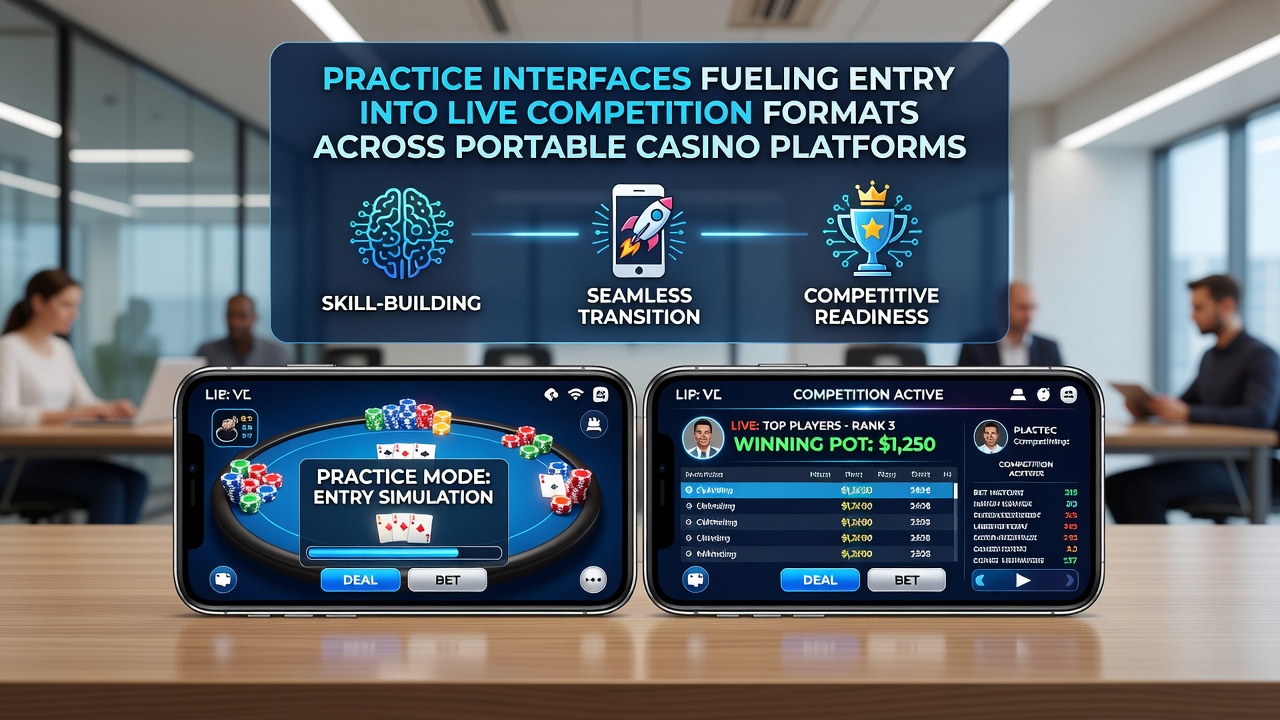
Live competition formats on portable platforms typically include daily sit-and-go events alongside larger monthly championships, with entry fees ranging from micro-stakes to premium buy-ins; practice interfaces feed into these structures by awarding virtual tickets or reduced-fee vouchers upon reaching performance thresholds, a mechanism documented in operator compliance filings submitted to the Malta Gaming Authority. Those who complete structured practice modules often receive notifications about open live slots, streamlining the shift from solo rehearsal to multi-player showdowns.
Regional Data and Platform Trends
Figures released by the New Jersey Division of Gaming Enforcement reveal that mobile tournament entries originating from practice sessions grew by 27 percent year-over-year through the first half of 2026, while similar patterns appear in reports compiled by the Australian Communications and Media Authority covering cross-border operators. Portable devices account for over 70 percent of these entries in monitored jurisdictions, driven by push notifications that alert users when new live formats open and when their practice scores qualify them for priority seating.
Industry organizations such as the European Gaming and Betting Association have compiled case studies showing that platforms offering unified practice-to-live dashboards experience lower drop-off rates between initial download and first paid entry; these dashboards display cumulative practice hours alongside live win percentages, giving users clear visual benchmarks before committing funds. Regulatory updates in several markets now require clear labeling of practice versus real-money sections, ensuring users understand the distinction while still benefiting from skill-building tools.
Technical Integration and Future Developments
Developers continue to refine cross-platform compatibility so that progress saved on a smartphone practice session carries over to tablet or desktop live interfaces without data loss; cloud-based account systems handle this continuity, storing session logs that operators reference when seeding live tournament brackets. Observers tracking platform updates note that artificial intelligence modules within practice modes increasingly adapt challenge difficulty based on individual error patterns, preparing users more precisely for the variable pacing of live dealer interactions.
Additional features emerging in late 2026 include shared practice lobbies where multiple users compete in simulated tournaments before the live version begins, fostering familiarity with group dynamics and time pressure; these environments mirror the structure of actual events yet remain free of monetary risk until participants opt in. Data from operator analytics platforms indicates sustained engagement when such layered pathways remain available across both iOS and Android ecosystems.
Conclusion
Practice interfaces on portable casino platforms continue to function as structured gateways into live competition formats, supported by measurable conversion data and regulatory frameworks across multiple regions. As synchronization between demo tools and live events deepens, operators maintain compliance while expanding access pathways documented in public filings and industry reports. The pattern established through 2026 suggests these interfaces will remain central to user progression on mobile systems.