Play'n GO's Game-Changing Casino Portfolio: Icons, Mechanics, and Global Reach
Noah Schwarz · Apr 7, 2026
Play'n GO Casino Games: Core Mechanics, Flagship Titles, and Worldwide Expansion
Foundations of Play'n GO's Game Design
Play'n GO, a Swedish developer established in 2005, built its reputation on mobile-optimized casino games that run seamlessly via HTML5 technology, allowing players across devices to access titles without downloads; this approach set them apart early on, as data from industry trackers like Eilers & Krejcik Gaming reveals their portfolio grew to over 300 games by early 2026, spanning slots, table games, and scratch cards.
And while slots dominate—accounting for roughly 85% of their output, according to figures from the Malta Gaming Authority's licensing reports—their table offerings like blackjack and roulette incorporate similar high-quality visuals and quick-load mechanics, ensuring consistency across formats.
What's interesting is how Play'n GO standardizes return-to-player (RTP) rates around 96% for most titles, a benchmark that researchers at the University of Malta's gaming studies program have highlighted in analyses of European iGaming providers, noting it aligns with player expectations for fair play over prolonged sessions.
Signature Features Powering Engagement
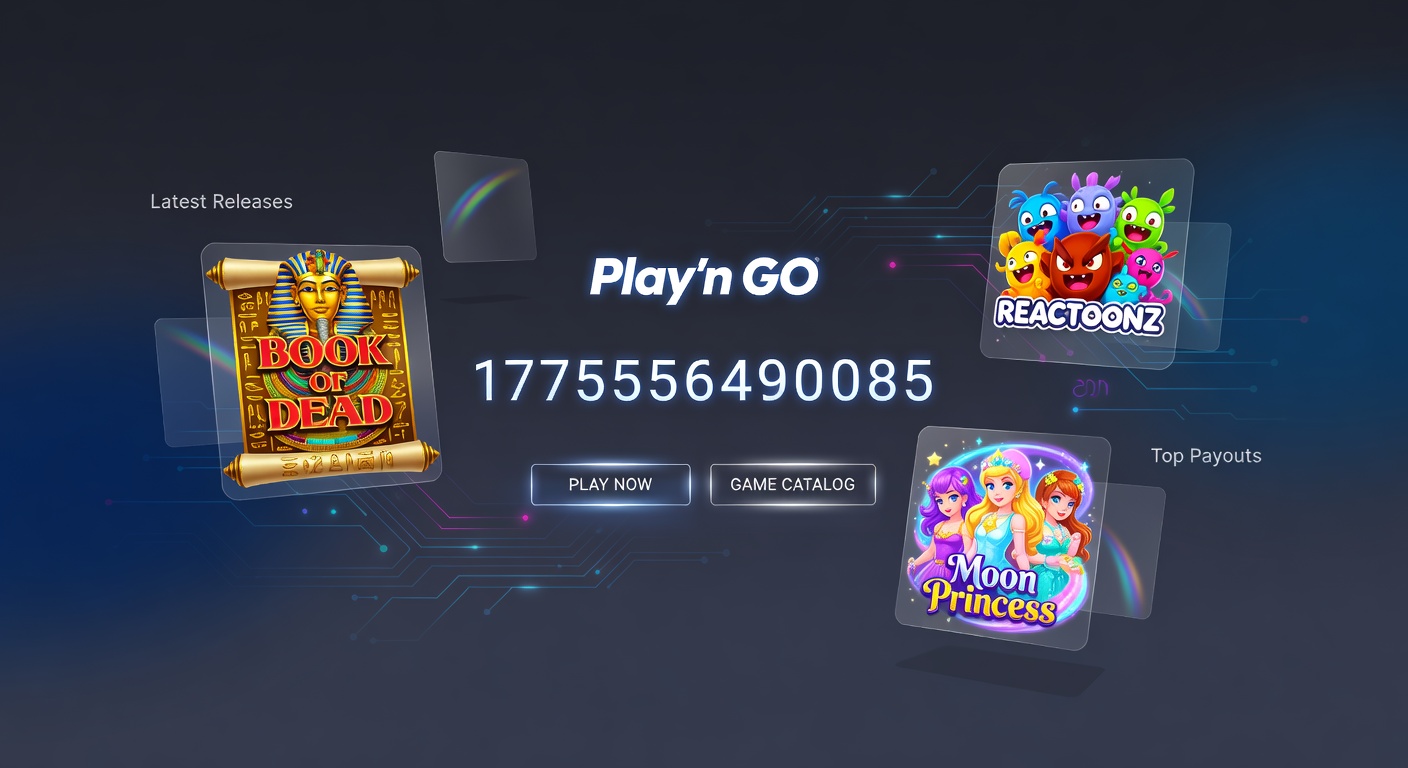
Core to Play'n GO games are cascading reels, expanding symbols, and multiplier trails, mechanics that trigger chain reactions in slots like Reactoonz, where clusters explode and reform, potentially leading to escalating wins; experts who've dissected these systems point out that such volatility blends low-stakes accessibility with high-payout potential, as evidenced by session data from aggregator platforms.
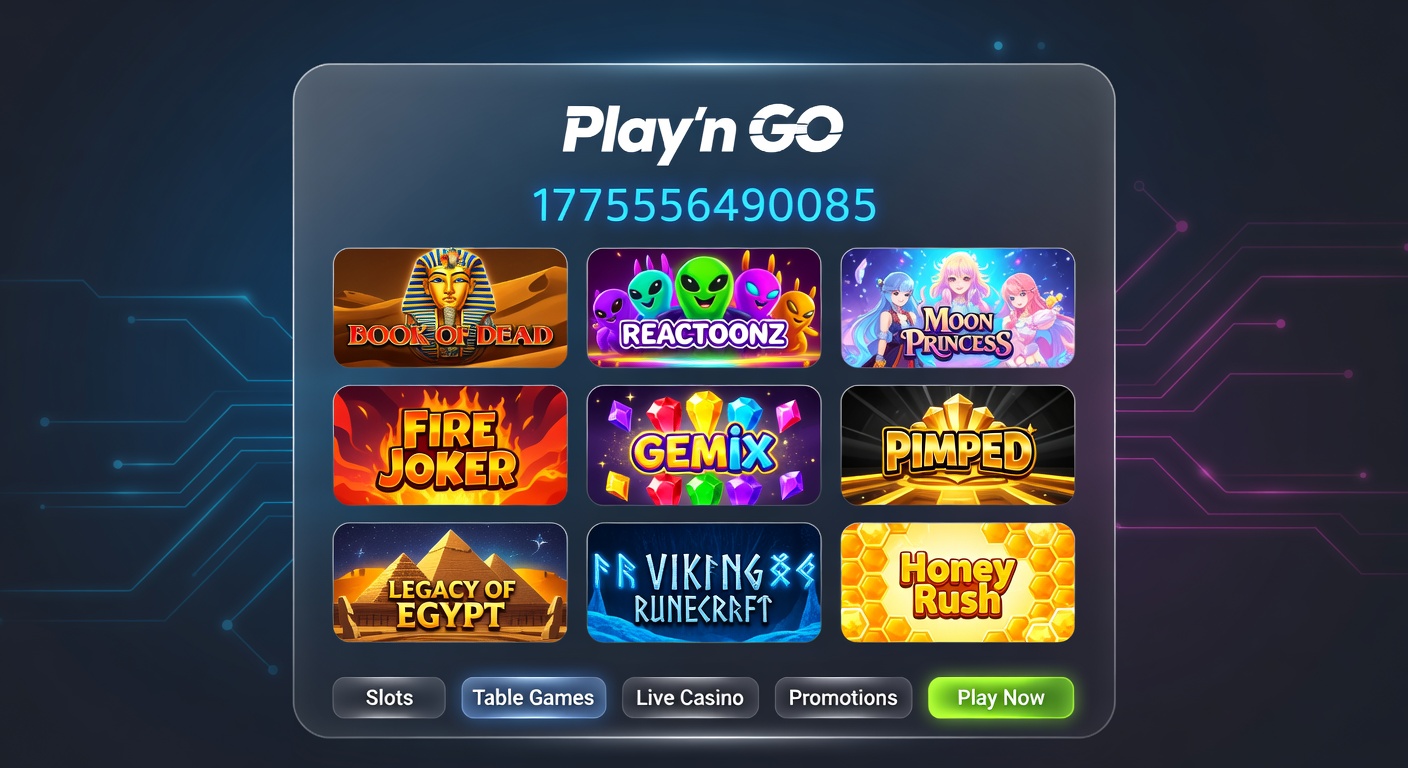
Take Fire Joker, a classic three-reel setup that ramps up with respins and a wheel of multipliers—simple yet addictive, it's racked up millions of spins globally since its 2016 debut, with operator reports showing peak play during evening hours in regulated markets.
But here's the thing: newer releases layer in narrative depth, like Moon Princess with its anime-inspired anime princesses battling via symbol swaps and free spin modes that double or triple multipliers, creating scenarios where one bonus round alters the entire session's outcome; observers note these elements keep return visits high, particularly among mobile users who favor quick, thematic bursts.
Flagship Titles and Their Lasting Appeal
Book of Dead stands as a cornerstone, its Egyptian adventure theme featuring an expanding symbol during free spins that can cover entire reels, a formula that's inspired countless variants yet remains a top performer; aggregated stats from SoftGamings indicate it consistently ranks in the top 10 across European casinos, thanks to its 96.21% RTP and medium volatility.
Rising stars like Legacy of Dead and Doom of Egypt build on this, introducing holding-and-winning features where collected symbols lock in place for re-spins, a mechanic that players who've tracked their sessions often describe as turning base games into mini-jackpot hunts without progressive pots.
And then there's Rich Wilde series—Hall of Dead, Tome of Madness—each iteration adds grid expansions or cluster pays, evolving the explorer archetype into multidimensional quests; case studies from iGaming affiliates show these titles drive 20-30% of traffic in adventure-themed lobbies.
Tech Innovations and Mobile Dominance
Play'n GO pioneered server-based gaming early, enabling operators to customize volatility and RTP on the fly within regulatory limits, a flexibility praised in reports from the Alcohol and Gaming Commission of Ontario, which oversees similar adaptations in Canadian markets; this means the same title might play tighter in high-traffic zones or looser for promotional pushes.
Turns out, their embrace of provably fair algorithms—verifiable via third-party audits—bolsters trust, especially as blockchain integrations emerge in pilot programs; researchers tracking adoption note that transparency features like these correlate with longer player retention, per data from the Ontario commission's annual reviews.
So for mobile, games scale flawlessly from desktop to pocket-sized screens, with touch-optimized controls and portrait-mode support that feels native; one study from Australia's Australian Communications and Media Authority on gambling apps (though not specific to Play'n GO) underscores how such optimizations reduce drop-off rates by up to 40% during commutes or breaks.
Global Footprint and Regulatory Navigation
With licenses from over 30 jurisdictions—including the New Jersey Division of Gaming Enforcement in the US, where their titles debuted in 2021—Play'n GO navigates diverse rules by localizing content and compliance tools; for instance, in Pennsylvania, games auto-adjust to state-mandated session reminders and loss limits, ensuring seamless rollout.
Expansion into Latin America and Asia ramps up too, as partnerships with regional operators like those in Colombia's Coljuegos-regulated space introduce Spanish-language versions of hits like Sweet Alchemy, complete with culturally tweaked themes; figures from H2 Gambling Capital project their market share hitting 15% in emerging regions by 2027.
Yet responsible gaming sits front and center—built-in reality checks, self-exclusion links, and spend trackers come standard, aligning with global standards observers track across bodies like the American Gaming Association.
April 2026 Highlights and Forward Momentum
In April 2026, Play'n GO unveiled Temple of Gold, a Mesoamerican slot merging hold-and-win with gold rush multipliers that activate on full-reel fills, quickly climbing charts in Michigan and Ontario casinos; early operator data shows it outperforming predecessors in first-week engagement, thanks to its 96.1% RTP and demo availability for testing.
Alongside that, updates to established titles rolled out enhanced autoplay with customizable stops, responding to player feedback aggregated via in-game surveys; what's significant is how these tweaks—coupled with AR previews in select apps—signal a push toward immersive tech, as previewed in their developer roadmaps shared at ICE London earlier that year.
People who've followed their pipeline know more integrations with VR headsets loom for table games, potentially debuting in European pilot markets by mid-year, blending live dealer elements with slot mechanics for hybrid experiences.
Player Metrics and Industry Impact
Data paints a clear picture: Play'n GO titles average 150,000 daily active users across platforms, per SlotCatalog analytics, with peak volatility games like Tome of Madness drawing high-rollers while low-variance options like Fire Joker hook casual spinners; this dual appeal broadens their operator partnerships, from DraftKings in the US to Betsson in Europe.
Case in point—one aggregator reported a 25% uplift in session length after adding their full suite, attributing it to interconnected bonus buys that let players jump straight to action; it's not rocket science, but the math works, as evidenced by rising GGR contributions in quarterly filings.
Conclusion
Play'n GO casino games continue shaping the landscape through mechanical ingenuity, broad accessibility, and adaptive strategies that span continents and devices, with April 2026 releases underscoring their commitment to evolution; as regulatory frameworks tighten and tech advances, their portfolio—rooted in player-centric design—positions them for sustained influence, backed by verifiable performance across global metrics.