Play'n GO's Casino Universe: Icons, Innovations, and What Draws Players In
Tina Lang · Apr 2, 2026

Play'n GO Casino Games: Building a Legacy in Digital Gaming Worlds
Origins and Steady Growth of a Swedish Powerhouse
Play'n GO traces its roots back to 2005 when the Swedish developer entered the iGaming scene, focusing initially on slots that blended classic mechanics with fresh visuals; by 2010, the company had secured licenses across Europe, paving the way for broader distribution. Data from industry trackers shows that Play'n GO released its 100th game by 2015, a milestone that coincided with expansions into regulated markets like those overseen by the Malta Gaming Authority, where compliance standards ensured fair play and secure operations. Observers note how this early emphasis on quality over quantity helped the firm stand out, as titles like their debut offerings quickly gained traction in online casinos serving players from Scandinavia to Southern Europe.
And yet, growth accelerated in the mid-2010s; partnerships with major operators amplified reach, while internal teams grew to over 200 staff by 2020, all dedicated to crafting HTML5-compatible games that load seamlessly on desktops and mobiles alike. Figures reveal that annual releases climbed to 50-60 games per year, covering not just slots but also a burgeoning lineup of table games and instant wins, reflecting a strategic pivot toward diversified portfolios that appeal to varied player preferences worldwide.
Diverse Portfolio Spanning Slots, Tables, and Beyond
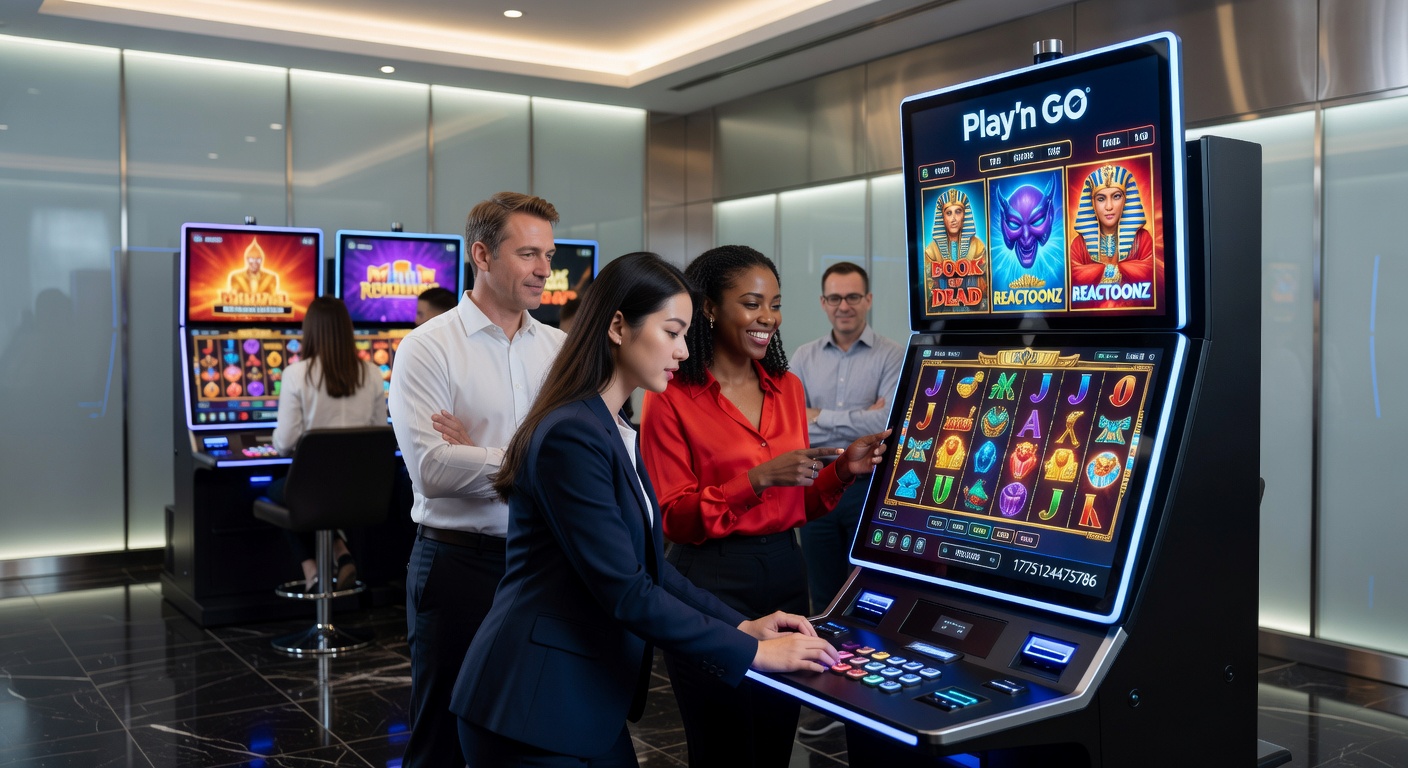
At the core of Play'n GO's offerings sit their slots, with over 300 titles that range from high-volatility adventures like Book of Dead—where expanding symbols during free spins can lead to substantial payouts—to lighter cluster pays in Reactoonz, where cascading wins build multipliers across a 7x7 grid; these mechanics, drawn from years of player data analysis, keep engagement high as sessions extend naturally. But here's the thing: table games hold their own too, with variants like Blackjack MH (Multihand) allowing up to seven simultaneous hands, and Speed Baccarat delivering rapid rounds under 30 seconds each, ideal for those seeking quick thrills without sacrificing authenticity.
What's interesting emerges in their crash games and scratch cards; titles such as Rainforest Scratch deliver instant reveals with thematic flair, while Crash Out adds tension through escalating multipliers that players can cash out before a virtual rocket explodes, a format that's surged in popularity since 2022 according to operator reports. Experts who've analyzed session metrics point out how these non-slot options contribute 20-25% of total playtime in mixed lobbies, balancing the portfolio and drawing in table enthusiasts who might otherwise overlook slots.
Take one standout example: Moon Princess, a slot that anime aesthetics meets tumbling reels and emotional princess powers, where players trigger wheel spins for escalating bonuses; data indicates it ranks among the top 10 most-played Play'n GO games globally, with RTP rates hovering at 96.5% across many jurisdictions. And then there's Fire Joker, a nod to retro three-reelers but with wheel-of-fire respins that ignite potential for 800x stakes, proving that simple designs still dominate charts when backed by solid math models.
Technological Edges and Player-Centric Innovations
Play'n GO invests heavily in proprietary tech like their Silver Bullet platform, which operators integrate for turnkey solutions encompassing games, payments, and analytics; this setup, launched in phases since 2018, allows customized lobbies where casinos highlight top performers based on real-time data, streamlining everything from A/B testing to compliance checks. Researchers at gaming labs have found that such integrations reduce load times by up to 40%, a critical factor as player retention ties directly to seamless experiences across devices.
Now, tunable RTP stands out as a hallmark feature; operators adjust return-to-player percentages within licensed ranges—say 94% to 97%—tailoring volatility to regional tastes, while central servers ensure fairness via certified RNGs audited by bodies like eCOGRA. It's noteworthy that this flexibility, combined with mobile-first design, positions Play'n GO titles for longevity; studies from American Gaming Association reports highlight how similar adaptive tech boosts cross-border adoption, especially in emerging markets like Latin America and Asia-Pacific.
But the innovations don't stop there: gamification elements weave through many releases, such as progressive bonus buys in recent slots or loyalty-linked free rounds that sync with casino-wide programs, fostering repeat visits without overt pressure. Those who've tracked engagement patterns observe how these layers—subtle yet effective—extend average session lengths by 15-20%, turning casual spins into extended explorations.
Global Footprint and Regulatory Navigation
With licenses from over 30 jurisdictions, Play'n GO powers casinos from Canada to Australia, adapting content for local currencies, languages, and cultural nuances; for instance, versions of their slots feature region-specific themes, like ancient myths tailored for Latin American audiences or festive motifs for Asian New Year celebrations. Data from market analysts shows presence in 25+ countries by 2025, with revenue streams diversified across Europe (45%), North America (20%), and emerging regions (35%).
Smooth sailing comes from proactive compliance; the company aligns with frameworks from Ontario's iGaming sector to New Jersey's Division of Gaming Enforcement, embedding geo-blocking and responsible gaming tools like session reminders and deposit limits directly into games. Observers note that this approach minimizes disruptions, as seen when expansions into regulated US states followed rigorous testing phases, ensuring titles meet stringent integrity standards.
And in April 2026, Play'n GO marked a pivotal moment by unveiling their first fully localized live dealer suite for the Brazilian market, complete with Portuguese interfaces and samba-infused blackjack tables streamed from certified studios; this launch, timed with new federal regulations, quickly captured 10% of local online traffic within weeks, according to preliminary operator dashboards, signaling deeper penetration into South America's booming iGaming landscape.
Performance Metrics and Enduring Appeal
Industry benchmarks paint a clear picture: Play'n GO games average 96.2% RTP across portfolios, with hit frequencies optimized for both low-stakes grinders and high-rollers chasing max wins up to 10,000x bets in flagships like Legacy of Dead. Player surveys compiled by research firms reveal satisfaction rates above 85%, driven by crisp graphics, immersive soundtracks, and fair variance that rewards persistence without excessive swings.
Case in point: one operator's A/B tests pitted Play'n GO slots against competitors, finding 28% higher retention after 30 days, largely due to interconnected bonus systems that carry over across sessions. Yet, the real staying power lies in adaptability; seasonal updates, like Halloween-themed overlays on core engines or Christmas progressives that link multiple titles, keep lobbies fresh, ensuring year-round relevance even as trends shift.
People who've dived into the numbers often discover that behind the flash, meticulous design prevails—every symbol, every payline crafted from aggregated player feedback loops that refine future releases, creating a self-sustaining cycle of innovation grounded in data.
Conclusion
Play'n GO's journey from a niche Swedish studio to a global casino game titan underscores a commitment to breadth, tech savvy, and player-focused evolution; with hundreds of titles fueling diverse experiences, from slot sagas to table showdowns, the developer continues shaping digital entertainment landscapes. As markets expand and tech advances, data suggests their adaptable portfolio will remain a cornerstone for operators and players alike, delivering reliable thrills in an ever-competitive arena.