Interface Trials Building Cycles Between Reel Spins, Table Play, and Reward Events
Xander Roth · May 30, 2026
Interface Trials Building Cycles Between Reel Spins, Table Play, and Reward Events
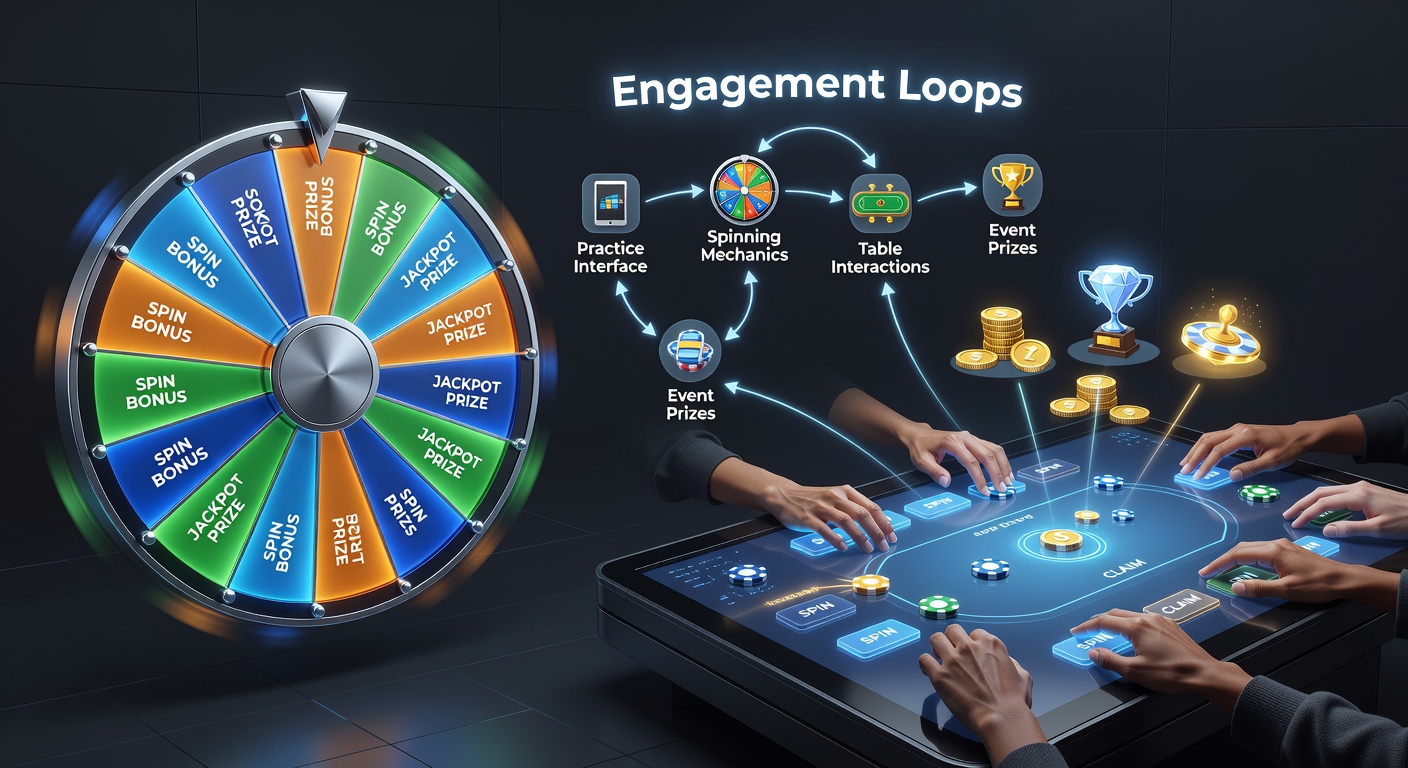
Practice interfaces have become central components in digital gaming platforms, where trial versions of spinning mechanics introduce players to core features before they move into live table interactions and event-based prize structures. These systems operate through structured feedback mechanisms that track user actions across different game types, creating pathways that extend session lengths and encourage transitions between formats.
Mechanics of Spinning Practice Modes
Spinning mechanics in slot-style games rely on randomized reel outcomes combined with layered bonus triggers, and practice modes allow repeated exposure to these elements without financial commitment. Data from platform analytics shows that users who complete multiple demo sessions demonstrate higher familiarity with volatility patterns and feature triggers once they enter real-money environments. Observers note that such interfaces present paytable information, symbol hierarchies, and multiplier systems in sequential modules, which helps build recognition of how individual spins contribute to larger prize accumulations.
Platforms integrate these practice tools with progress indicators that mirror those found in live tournament settings, so players become accustomed to tracking metrics like spin counts and combination frequencies. Research from gaming technology providers indicates that this repetition strengthens pattern recognition, which later supports quicker decision-making during table games where timing and selection influence outcomes.
Transitions Into Table Interactions
Once players move from spinning practice into live dealer environments, the engagement loop expands to include real-time decision points such as card choices and betting adjustments. Practice interfaces often include simplified versions of blackjack or roulette rules that prepare users for the pacing differences between automated reels and interactive tables. Figures from industry reports reveal that platforms offering linked demo experiences see increased crossover activity, where users who practiced spinning features show elevated participation rates in table tournaments during the same session.
These connections rely on shared reward structures, where accumulated demo points or achievements unlock entry pathways into live events. The New Jersey Division of Gaming Enforcement has documented rising integration between practice tools and multi-format competitions, noting that players frequently carry over familiarity with bonus triggers from spinning modes into table-based prize pools. What's interesting is how the same notification systems used in demo spins reappear during live dealer rounds to highlight potential prize escalations.
Event Prizes and Looped Participation
Event prizes function as the third element in these cycles, drawing users who have moved through spinning practice and table sessions into scheduled competitions with escalating reward tiers. Tournament structures often reference mechanics first encountered in demo modes, such as progressive multipliers or chained bonus rounds, which now apply across combined spinning and table leaderboards. Australian Communications and Media Authority data from recent platform audits shows measurable increases in event registrations when practice interfaces display direct links to upcoming prize competitions.
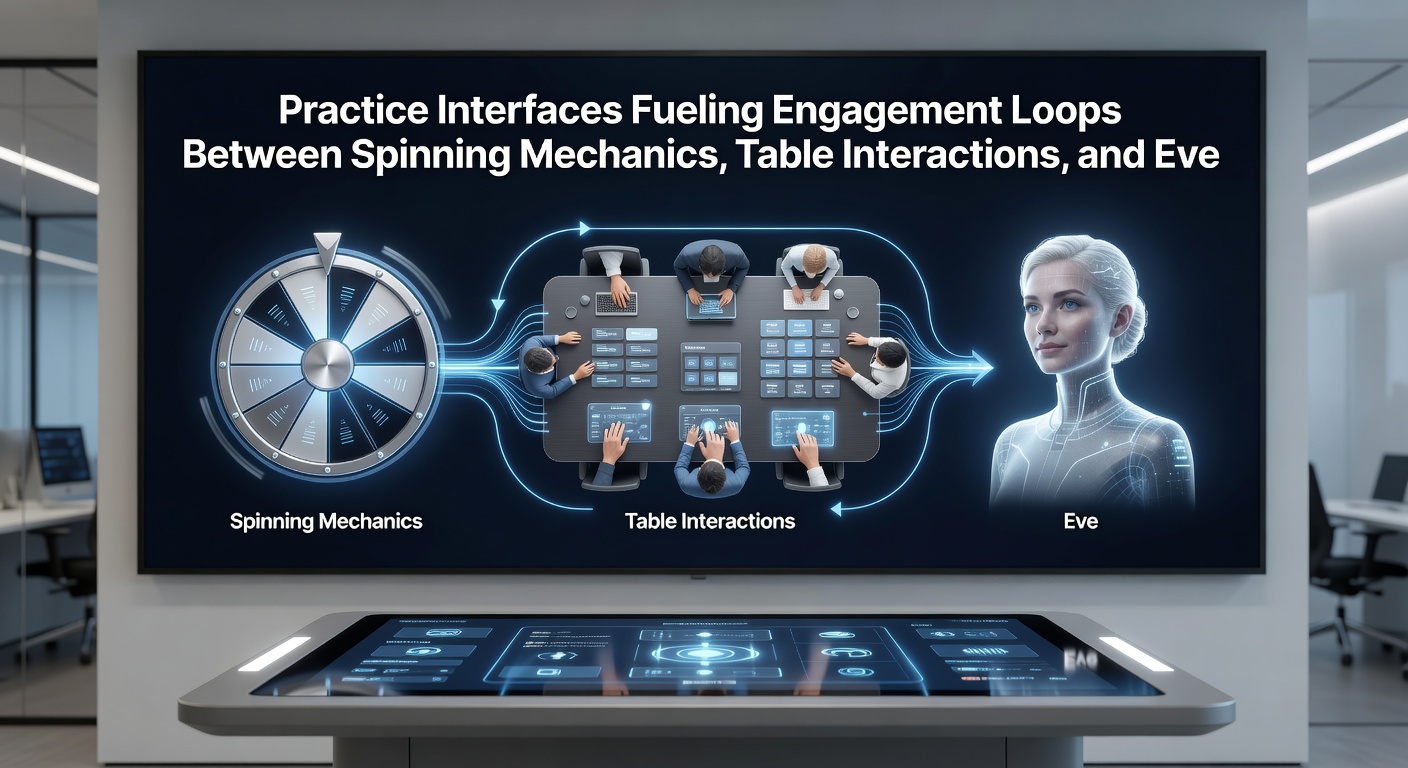
By May 2026, several major operators had expanded these loops by embedding calendar notifications within practice interfaces, allowing users to schedule transitions from demo spins directly into live table events with shared prize pools. This approach creates continuous activity streams where achievements in one format feed eligibility for rewards in another, supported by unified account tracking systems.
Platform Implementation Patterns
Implementation varies across providers, yet common elements include unified user profiles that record activity across practice spinning, table sessions, and event entries. European Gaming and Betting Association reports highlight how these profiles enable targeted prompts that remind users of mechanics they practiced earlier when new prize events launch. The result is a measurable extension of player journeys, where initial demo exposure leads to sustained involvement rather than isolated sessions.
Those who have examined user flow data observe that the absence of friction between formats supports longer overall engagement periods. Practice interfaces serve as the entry point, table interactions add complexity and social elements, and event prizes provide recurring incentives that close the loop and prompt returns to spinning mechanics for further preparation.
Conclusion
Practice interfaces continue to shape how players navigate between spinning mechanics, table interactions, and event prizes through interconnected systems that prioritize continuity. As platforms refine these connections, the documented patterns of increased crossover activity and extended participation remain consistent across multiple regulatory regions and operator reports. The structure supports player progression while maintaining clear separation between practice and real-money environments.