Interconnected Gaming Ecosystems: Trial Mechanics Synchronizing Mobile Interfaces with Live Events and Reward Cycles
Tina Lang · Jun 4, 2026
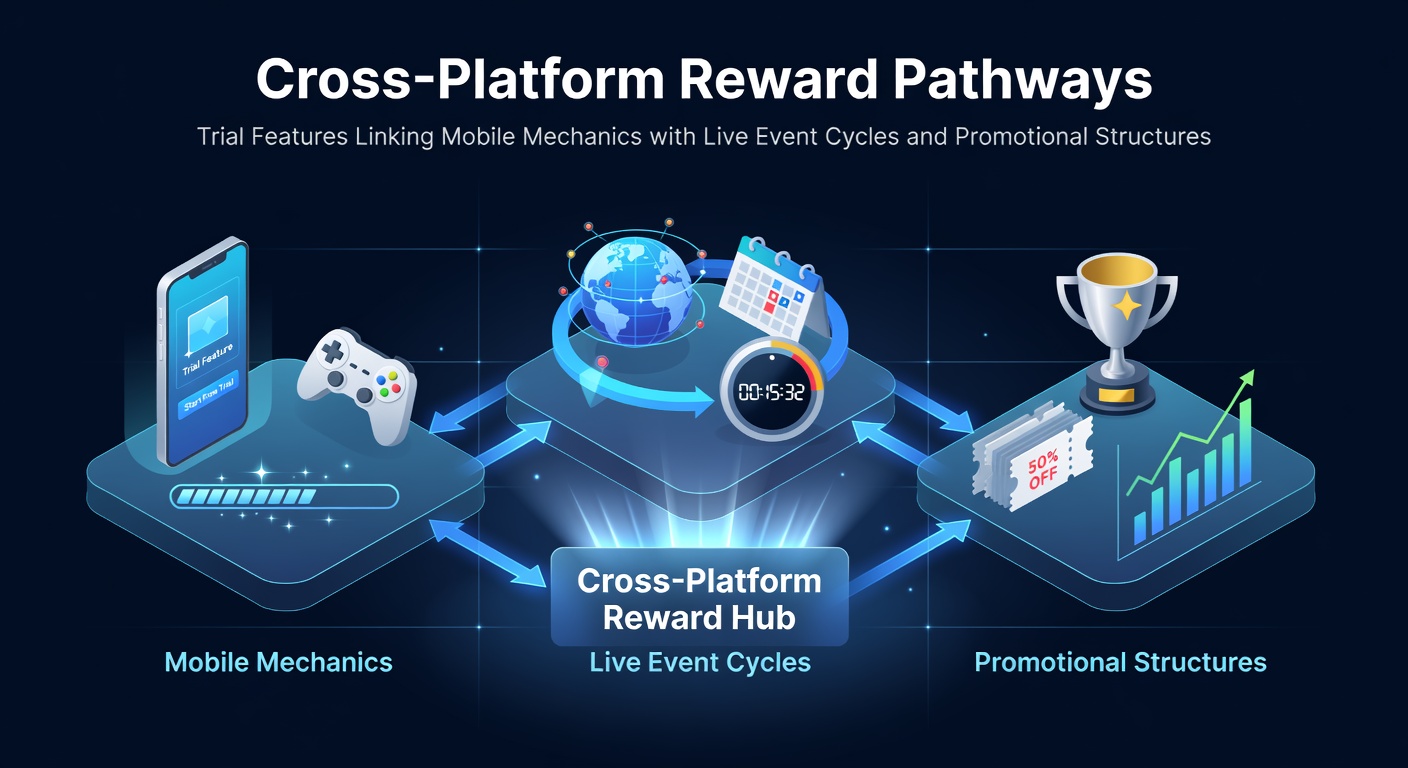
Interconnected Gaming Ecosystems: Trial Mechanics Synchronizing Mobile Interfaces with Live Events and Reward Cycles
Cross-platform reward pathways have emerged as structured systems that connect trial features in mobile gaming environments with live event cycles and promotional structures across digital platforms. These pathways operate through synchronized mechanics where introductory access modes transition users into broader engagement frameworks involving reel-based games, table formats, and time-limited events. Data from industry reports indicate that such integrations facilitate seamless movement between device types while maintaining consistent reward accumulation.
Developers design trial features to serve as entry points that mirror core mobile mechanics, allowing participants to experience base gameplay loops before advancing into live dealer sessions or tournament brackets. According to analyses from the American Gaming Association, these trial periods often incorporate free spin chains or bonus multipliers that carry over into promotional calendars, creating layered participation opportunities. The structure ensures that progress achieved during trial phases aligns with event schedules, such as weekly leaderboard resets or seasonal jackpot pools.
Mechanics of Trial Feature Integration
Mobile interfaces typically host trial modes that replicate the mathematical models and visual elements found in full versions, yet they limit initial exposure to build anticipation for linked events. Researchers at institutions like the University of Nevada, Las Vegas have documented how these trials feed into live event cycles by tracking user behavior patterns across sessions. When participants complete trial objectives, systems activate promotional structures that unlock entry into real-time competitions, where rewards scale based on prior mobile activity.
Event cycles themselves follow recurring timelines, with many platforms aligning mobile trial completions to coincide with live tournament starts. This synchronization allows accumulated points or spins from mobile play to influence positioning in dealer-hosted formats. Figures from the Malta Gaming Authority reveal steady growth in such interconnected systems through 2025, with projections extending into June 2026 highlighting expanded use of API-driven linkages that automate reward transfers between platforms.
Promotional Structures and Live Event Alignment
Promotional frameworks rely on tiered structures where trial achievements trigger escalating benefits, including entry tickets to live events or enhanced multipliers during specific cycles. Observers note that these structures often employ progressive jackpot elements that draw from both mobile and live player pools, distributing prizes according to predefined contribution ratios. One documented approach involves chaining mobile demo sessions directly into live blackjack or roulette tournaments, where performance metrics from trials determine seeding advantages.
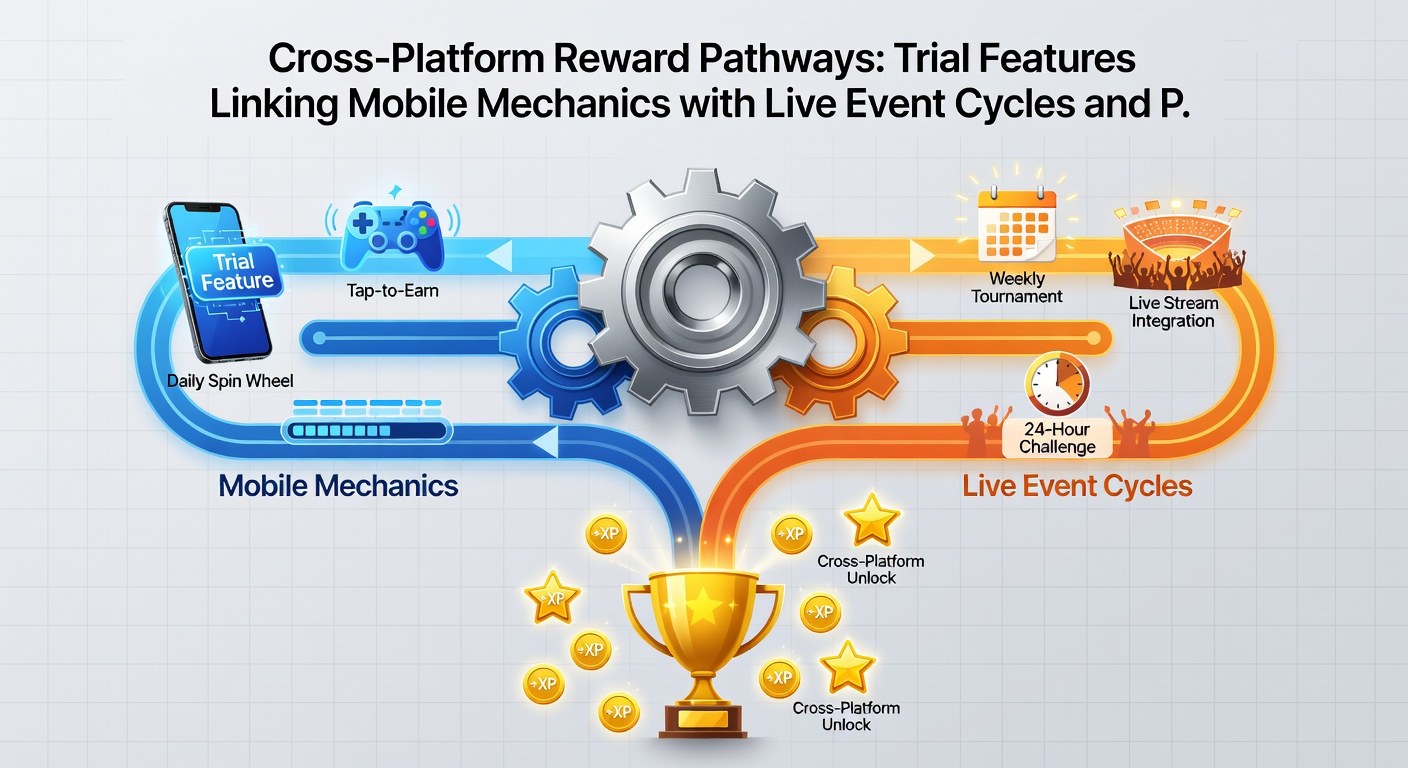
Live event cycles introduce time-bound elements that complement the always-available nature of mobile mechanics. Platforms schedule these cycles around peak engagement windows, incorporating data from mobile trials to personalize invitations and bonus allocations. Evidence from reports by the Canadian Gaming Association shows that participants who engage with integrated trial pathways demonstrate higher retention rates across multiple formats, as rewards earned in one area directly support progress in others.
Platform Interconnections and Data Flow
Technical interconnections form the backbone of these pathways, utilizing shared databases to track trial completions, event participations, and promotional redemptions in unified profiles. This setup enables real-time updates where actions on mobile devices influence eligibility for live sessions without requiring separate registrations. Industry organizations such as the European Gaming and Betting Association have outlined standards for secure data handling in these systems, emphasizing encryption protocols that protect user information during cross-platform transfers.
June 2026 marks a period when several operators plan to roll out enhanced API frameworks that further streamline these connections, allowing for dynamic adjustments to event cycles based on aggregated trial data. Such developments build on existing models where mobile mechanics serve as feeders for larger promotional structures, ensuring continuous engagement loops. Those who study these systems point to examples where free spin bonuses from mobile trials convert into live tournament entries, creating compounded reward opportunities.
Conclusion
Cross-platform reward pathways continue to evolve through deliberate linkages between trial features, mobile mechanics, live event cycles, and promotional structures. Regulatory bodies and research entities track these developments to assess their impact on player behavior and platform operations. The integration patterns established thus far provide frameworks that support sustained participation across diverse gaming formats while adhering to established operational guidelines.