Integrated Bonus Frameworks Uniting Live Dealer Tables with Slot Tournaments
Leon Bauer · Jul 23, 2026
Integrated Bonus Frameworks Uniting Live Dealer Tables with Slot Tournaments
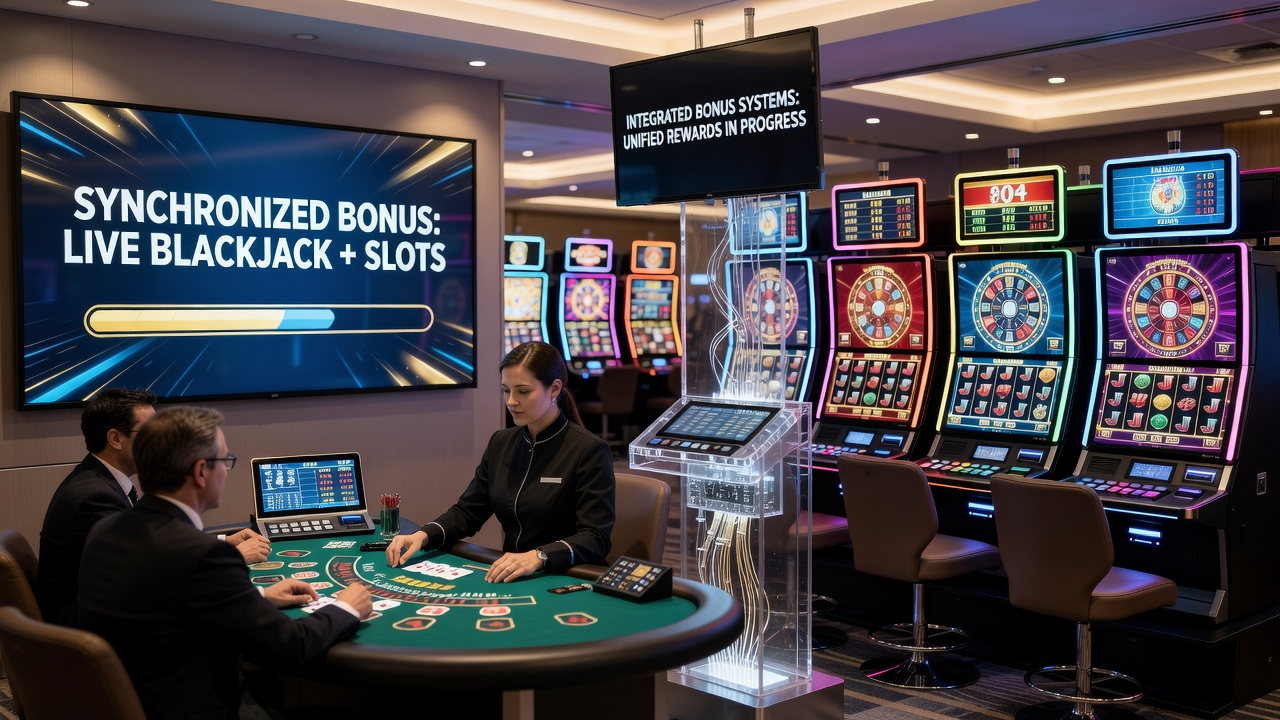
Integrated bonus frameworks connect live dealer tables and slot tournaments by allowing players to earn and redeem rewards across both formats without separate accounts or manual transfers, while operators use centralized platforms to track participation and distribute prizes in real time. Data from industry analyses indicates that such synchronization relies on shared player profiles and unified ledgers that update instantly when a participant completes a slot spin or joins a live blackjack round, and this setup reduces administrative overhead for casinos operating in multiple jurisdictions.
Core Mechanics Behind Cross-Game Bonus Flows
Bonus systems achieve synchronization through application programming interfaces that link slot servers with live table management software, so that points accumulated during a tournament slot session convert automatically into credits usable at a roulette table, whereas live game outcomes feed back into tournament leaderboards. Observers note that these connections often incorporate time-based multipliers, for instance granting extra value to bonuses earned during peak evening hours, and they maintain audit trails required by oversight bodies. Research from gaming technology providers shows that API latency stays under 200 milliseconds in most deployed systems, which keeps the experience seamless for players moving between machine banks and dealer pits.
Operators segment player activity into tiers that determine bonus conversion rates, with higher tiers unlocking faster transfers and larger prize pools, while lower tiers receive standard rates that still encourage continued play across both formats. Figures from operational reports reveal that casinos implementing these tiers record increased session lengths because participants chase combined goals rather than isolated ones, and the same reports highlight reduced support tickets related to bonus discrepancies.
Implementation Patterns Observed Across Markets
North American properties typically embed the bonus engine inside existing player loyalty databases, allowing slot tournament entries to count toward live table comps without additional sign-ups, whereas European venues often layer the integration onto third-party tournament management modules that already handle progressive jackpots. Data compiled by the American Gaming Association illustrates that properties using unified ledgers achieve higher cross-format participation rates compared with those maintaining separate tracking, and similar patterns appear in Australian regulatory filings that track multi-game promotions.
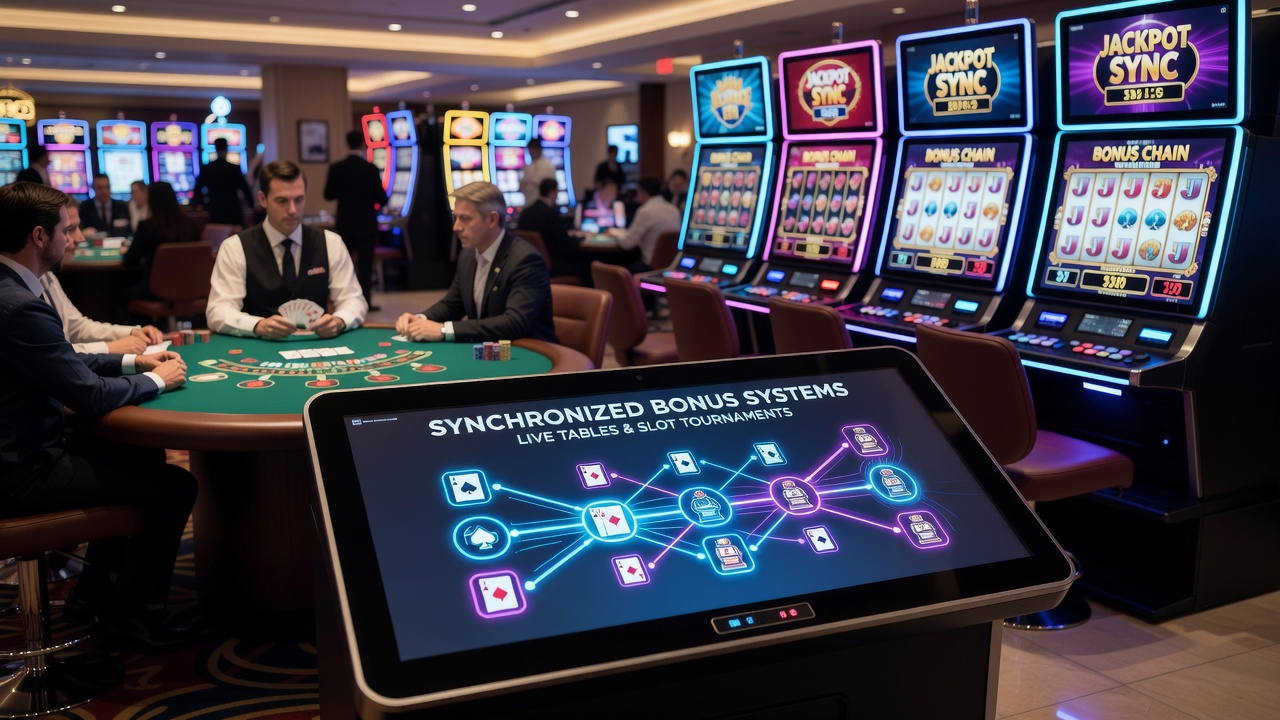
Technicians configure trigger events such as consecutive slot wins or specific live table outcomes to release shared bonuses, and these triggers update both the slot tournament standings and the live game reward balance simultaneously. Studies from university-affiliated gaming research centers confirm that properly calibrated triggers maintain mathematical fairness across game types, preventing any single format from dominating prize distribution. As of July 2026 several jurisdictions have begun requiring operators to submit integration logs quarterly, ensuring transparency in how bonuses move between live and electronic platforms.
Security and Compliance Measures
Encryption protocols protect the data streams that carry bonus information between slot networks and live table systems, while multi-factor authentication governs staff access to the central ledger. Reports from the Alcohol and Gaming Commission of Ontario emphasize that audit logs must record every bonus transfer with timestamps and player identifiers, and these records undergo periodic review by independent testing labs. Casinos further employ anomaly detection algorithms that flag unusual patterns, such as rapid bonus cycling, before they affect tournament integrity or live table payouts.
Geofencing technology restricts bonus eligibility to approved regions, and this restriction syncs automatically with both slot tournament registration and live dealer access points. External audits verify that the same compliance rules apply regardless of whether a player starts on a slot machine or at a live table, reducing the risk of jurisdictional conflicts.
Conclusion
Integrated bonus frameworks continue to expand as operators seek unified player experiences that span live tables and slot tournaments, supported by technical standards that prioritize speed, security, and regulatory compliance. Evidence from multiple markets demonstrates measurable gains in participation metrics when these systems operate without friction, while oversight bodies maintain oversight through standardized reporting requirements that evolve alongside the technology.