How Introductory Access Modes Shape Pathways Into Synchronized Reward Cycles and Multi-Format Events
Tina Lang · Jun 2, 2026
How Introductory Access Modes Shape Pathways Into Synchronized Reward Cycles and Multi-Format Events
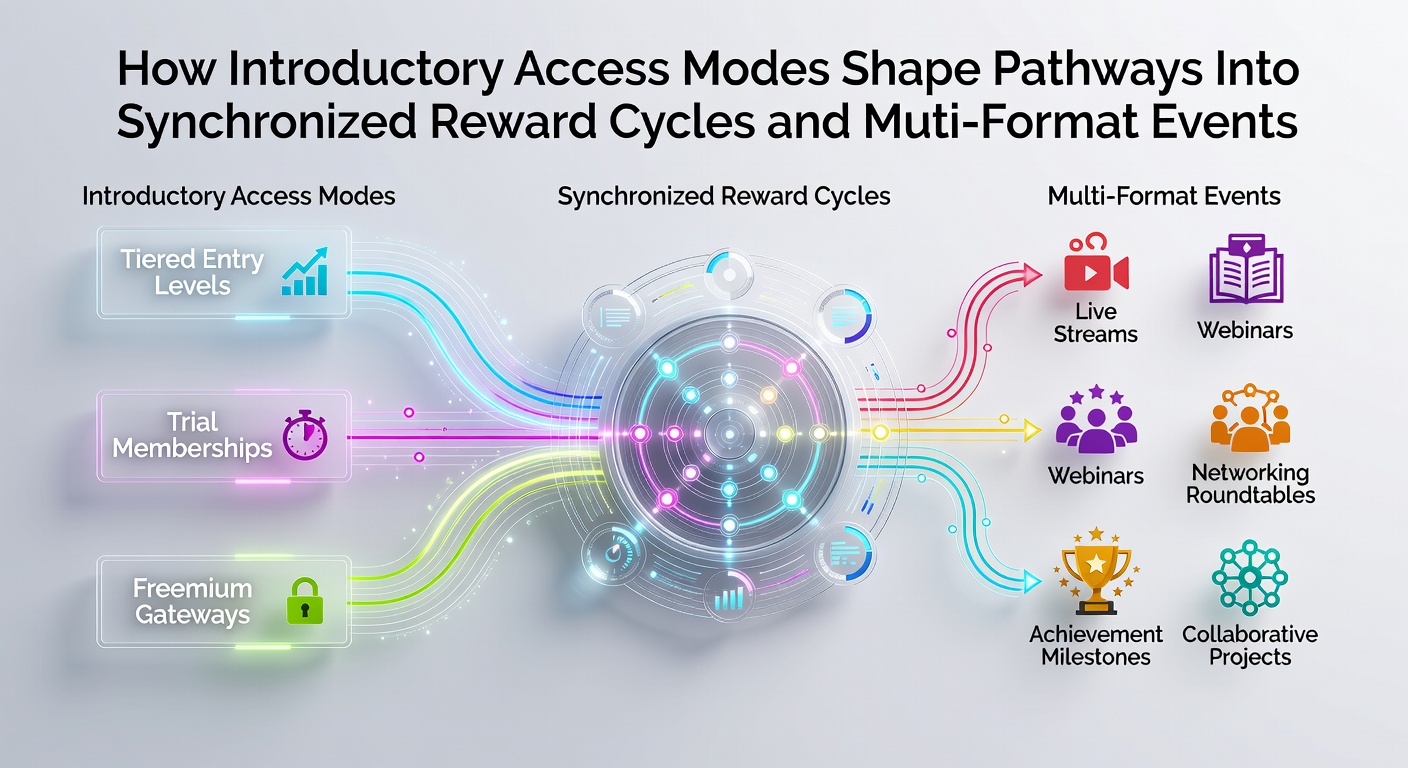
Introductory access modes such as free demo versions and trial periods serve as entry points that connect users to broader engagement structures within digital gaming platforms, and these mechanisms operate by allowing initial interaction without financial commitment before transitioning into structured reward systems that align across slot mechanics, table formats, and competitive events.
Mechanics of Initial Access and Progression
Demo interfaces present core game elements including reel configurations, bonus triggers, and payout structures in a controlled environment, which enables users to explore features while data collection systems track interaction patterns that later inform personalized reward pathways. Research from the European Gaming and Betting Association indicates that platforms employing these modes see measurable increases in session duration when trials feed directly into live formats through shared account progressions.
Once users complete a set number of trial spins or hands, automated sequences activate synchronized elements such as accumulated free spin credits or tournament entry qualifiers, and this process creates continuity between solitary practice sessions and group-based activities without requiring separate registrations.
Pathways Into Reward Synchronization
Reward cycles emerge when introductory data merges with ongoing play metrics, allowing multipliers from demo phases to carry over into real-money sequences or live dealer rounds. Observers note that this linkage relies on backend algorithms that monitor variables like hit frequency and feature activation rates, then apply them uniformly across mobile slots and multi-player tournaments. In June 2026 platform reports highlighted expanded use of cross-format trackers that adjust reward pools based on aggregate user behavior from initial trials.
One documented pattern involves slot demo completions unlocking entry into live roulette events where progressive pots incorporate contributions from both formats, and the synchronization ensures that bonus triggers in one area influence availability in others through unified loyalty frameworks.
Multi-Format Event Integration
Multi-format events combine reel spins, table competitions, and jackpot chases into single campaigns that draw from introductory mode data to populate participant lists and calibrate prize distributions. Data shows these events often schedule preliminary qualifiers via demo access to build momentum before escalating to synchronized live stages, and this structure appears in mobile-first deployments where users transition seamlessly between practice and competitive play.
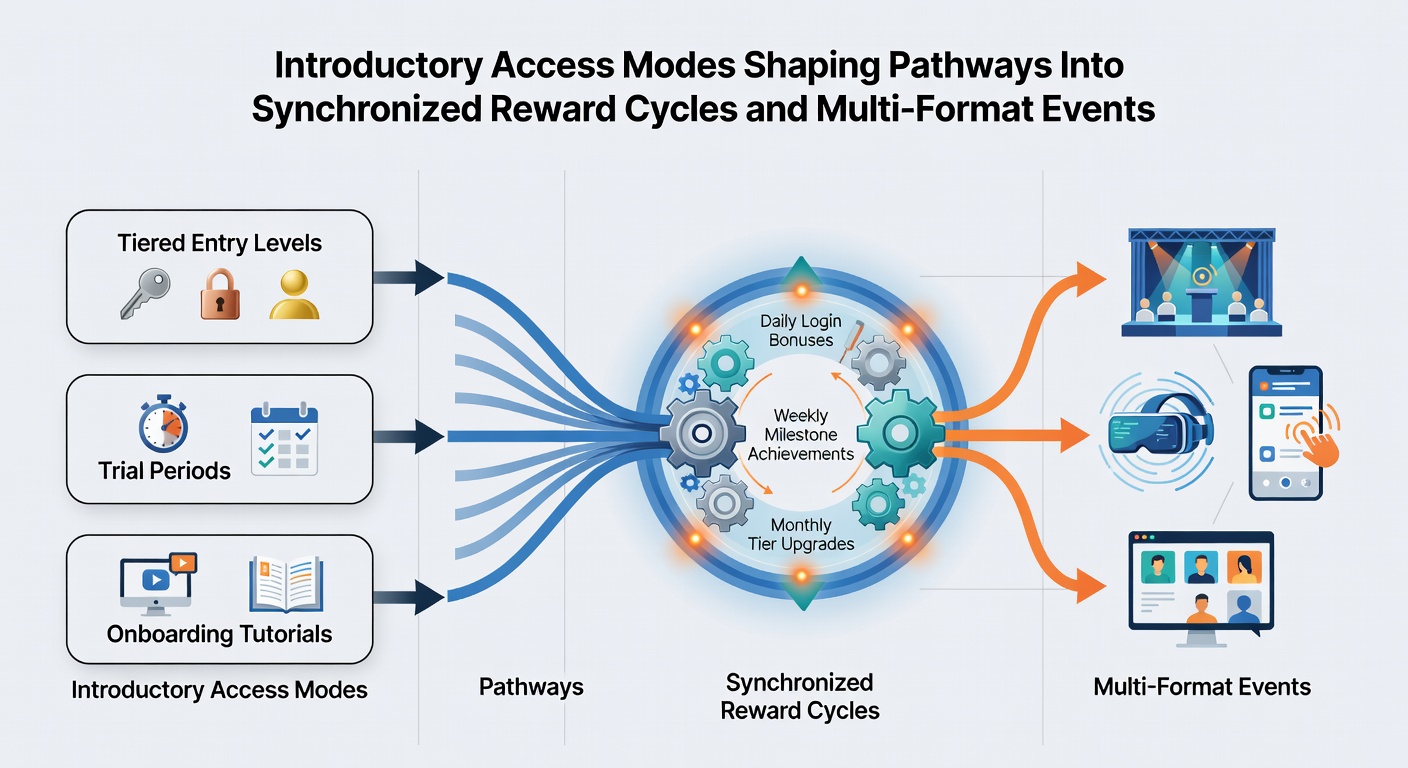
Industry analyses from the Canadian Gaming Association reveal that synchronized cycles reduce drop-off rates when early access modes preview event rules and reward tiers, allowing participants to enter tournaments with familiarity gained during trials. Connections between formats rely on shared APIs that update progress in real time, so achievements in one segment directly affect standings elsewhere.
Platform-Wide Implementation Patterns
Global operators deploy these access modes through standardized onboarding sequences that emphasize feature previews before introducing promotional overlays tied to upcoming events, and this approach aligns with findings from academic studies on digital engagement conducted at institutions in Australia. Those studies document how trial-to-event pipelines maintain consistent user flows across regions by adapting reward parameters to local regulatory environments without altering core synchronization logic.
What's notable is the way introductory modes preview jackpot mechanics that later appear in live tournament formats, creating anticipation that carries through multiple sessions. And because the systems log every interaction from the first demo spin, operators can calibrate event scales to match demonstrated interest levels across user bases.
Conclusion
Introductory access modes establish foundational connections that evolve into synchronized reward structures and multi-format events by leveraging tracked interactions to align incentives across diverse gaming types, and continued platform refinements ensure these pathways remain responsive to aggregated behavioral data. This framework supports sustained participation through seamless transitions rather than isolated experiences.