From Virtual Trials to Live Prize Events: Mapping Connections in Digital Card and Wheel Gaming
Lars Schröder · Jul 7, 2026
From Virtual Trials to Live Prize Events: Mapping Connections in Digital Card and Wheel Gaming
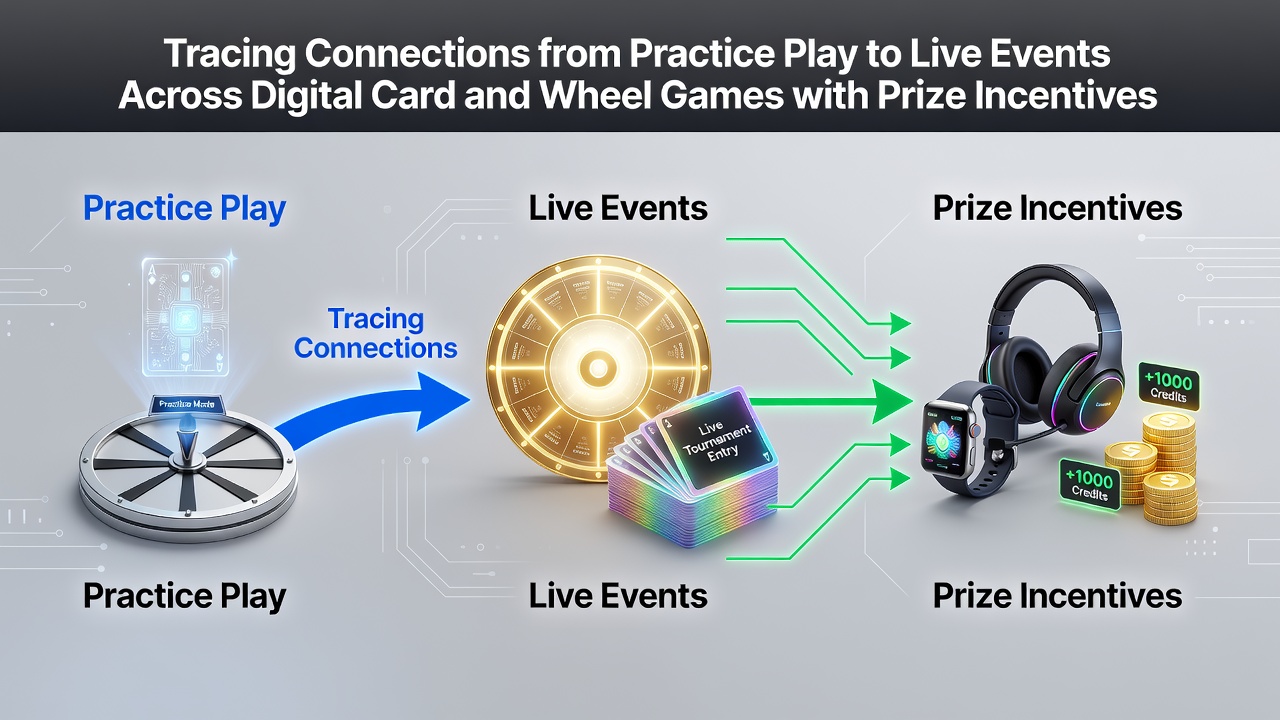
Practice modes in digital card and wheel games serve as entry points that connect directly to live events featuring prize incentives, and this linkage appears across multiple platforms where users test mechanics before entering competitive formats. Data from industry reports indicates that transitions from simulation environments to real-time sessions occur frequently in blackjack and roulette variants, where reward structures encourage progression through structured pathways.
Understanding Practice Modes in Digital Formats
Digital card games and wheel-based titles incorporate practice play options that replicate core rules without financial stakes, allowing users to explore probability models and interface controls before accessing live competitions. Researchers at academic institutions have documented how these modes reduce entry barriers, and figures from the Australian Gambling Research Centre show increased participation rates in subsequent live events among those who complete demo sessions first. Connections emerge when platforms integrate progress tracking that carries over from practice to prize-eligible tournaments, creating seamless shifts between environments.
Wheel games such as digital roulette variants feature adjustable simulation speeds that mirror live dealer pacing, while card formats emphasize hand evaluation drills that prepare participants for timed competitions. Observers note that prize incentives in these live events often build on metrics gathered during practice, such as accuracy rates or session durations, which then qualify users for bonus structures or entry credits.
Transitions to Live Events with Prize Structures
Live events in digital card and wheel gaming typically operate on tournament brackets or leaderboard systems where accumulated practice data influences seeding or initial stakes. Evidence suggests that platforms synchronize user profiles across modes, enabling direct advancement from simulated rounds to events that distribute cash prizes or loyalty rewards. In July 2026, several operators expanded these linkages by introducing cross-mode leaderboards that track performance from practice into live dealer sessions, reflecting broader industry trends toward unified progression systems.
Card game tournaments often require demonstrated proficiency in practice modes before unlocking prize pools, whereas wheel events incorporate random qualifiers drawn from demo participation logs. This structure maintains engagement loops where users revisit simulations to refine strategies ahead of scheduled live competitions, and industry associations report measurable upticks in event attendance tied to these preparatory features.
Card Games: Building Pathways Through Simulation
Digital blackjack and similar card formats emphasize decision-tree practice that aligns with live tournament formats, where split-second choices determine prize eligibility. Those who've examined platform data observe that users who log extended practice hours show higher retention in live prize events, with connections strengthened by in-game tutorials that preview competition rules. Prize incentives here range from progressive jackpots unlocked via consistent simulation performance to direct entry into multi-player showdowns.
Studies from the National Center for Responsible Gaming highlight how these transitions support skill development without immediate financial exposure, and operators have responded by embedding achievement badges that transfer between modes. The result forms a documented pipeline where practice sessions feed into live card events scheduled throughout the year.
Wheel Games: Extending Practice into Competitive Rotations
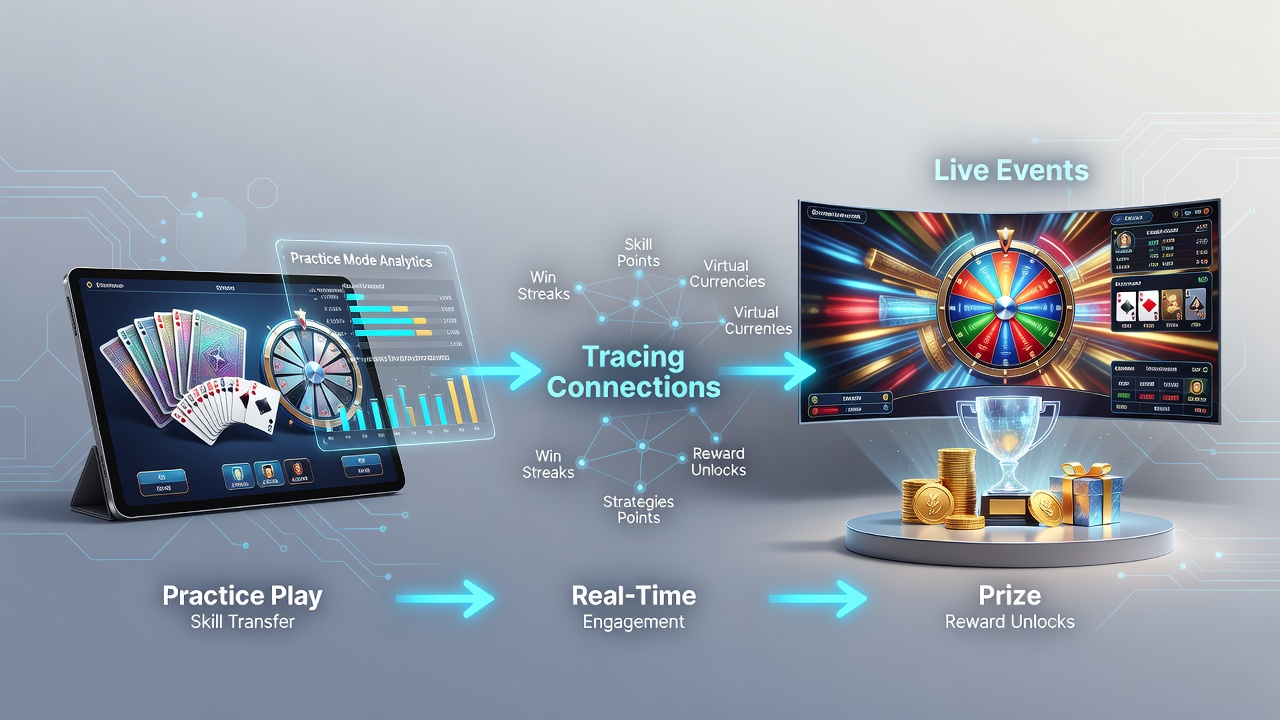
Roulette-style wheel games utilize practice interfaces that simulate bet placement and outcome tracking, which then map onto live events offering tiered prize distributions. Connections appear through shared algorithms that carry over spin histories or pattern recognition from demos into real-time competitions, and data indicates these features boost qualification rates for incentive-based rounds. In wheel formats, prize structures often include multiplier bonuses activated after completing a set number of practice cycles, linking simulation directly to live payouts.
Regional gaming bodies across North America and Europe have tracked how such integrations affect user flows, revealing that wheel game participants frequently cycle between modes during promotional periods. Live events capitalize on this by offering practice-derived tokens that convert into entry fees or prize multipliers, maintaining continuity across the experience.
Prize Incentives Driving Cross-Mode Engagement
Prize mechanisms in both card and wheel categories reward progression from practice to live participation through layered incentives such as free entries, cash equivalents, and leaderboard placements. Figures reveal that integrated systems increase overall event volume, particularly when operators align practice milestones with upcoming live schedules. This approach creates measurable pathways where users advance based on accumulated metrics rather than isolated sessions.
Trade organizations note that these connections have evolved with platform updates, incorporating analytics that personalize transitions for different user segments. In card and wheel contexts alike, the emphasis remains on factual linkages between demo performance and prize-eligible outcomes, supported by backend tracking that ensures transparency in qualification processes.
Conclusion
Connections between practice play and live prize events in digital card and wheel games operate through integrated tracking, shared mechanics, and incentive alignments that guide users across formats. Reports from diverse sources including academic centers and regulatory bodies confirm these patterns persist across regions, with expansions noted into 2026 continuing to refine the linkages without altering core structures. The result sustains participation pipelines grounded in simulation-to-competition flows.