Digital Transitions: From Practice Interfaces to Competitive Dealer Tables in Gaming Networks
Leon Bauer · Jun 18, 2026
Digital Transitions: From Practice Interfaces to Competitive Dealer Tables in Gaming Networks
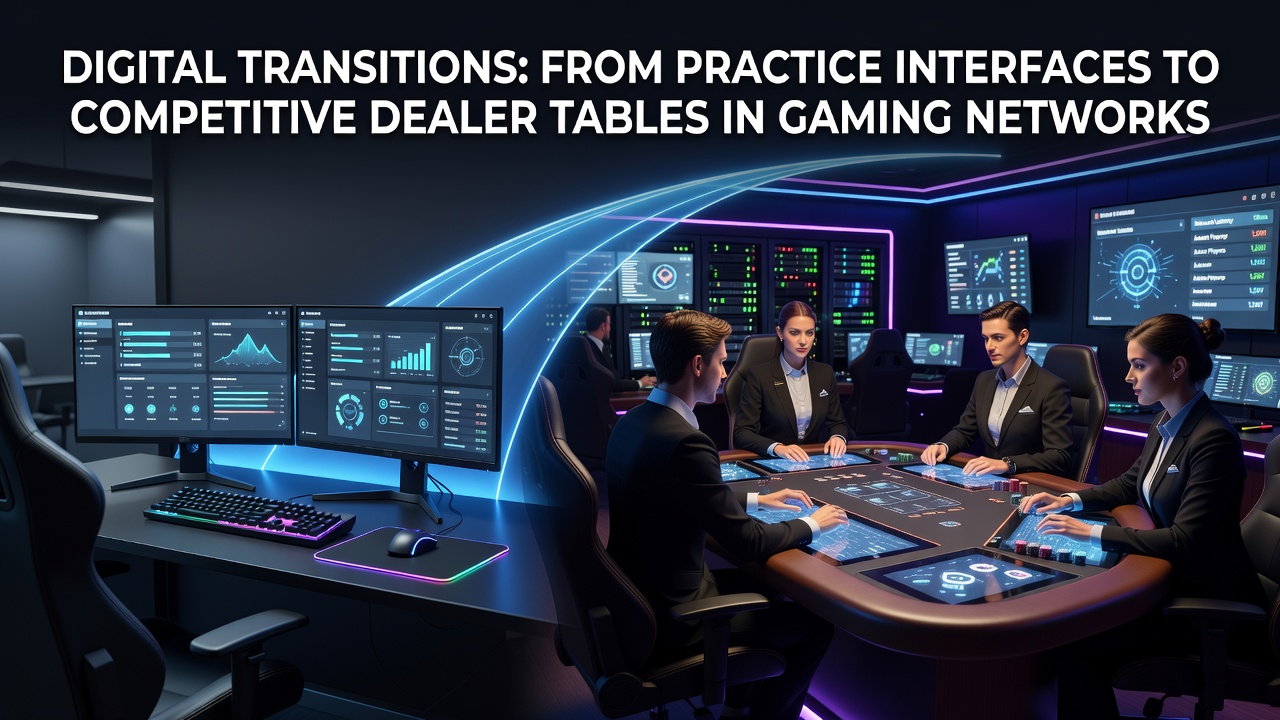
Digital gaming networks have undergone steady evolution as operators integrate practice interfaces with competitive dealer tables, and this shift reflects broader technological and regulatory developments across multiple jurisdictions. Practice modes allow participants to familiarize themselves with game mechanics through simulated environments while competitive tables introduce real-time interactions with dealers and other players via live streaming and synchronized platforms.
Early Practice Interfaces and Their Role in Network Development
Practice interfaces emerged in the early stages of online gaming expansion, and they provided structured environments where users could test strategies without financial stakes. These systems relied on random number generators and basic graphics to replicate table games such as blackjack and roulette. Data from industry reports indicate that such modes helped standardize user onboarding processes across networks, while operators used aggregated interaction logs to refine algorithms and reduce latency in subsequent live sessions.
By the mid-2020s, developers began linking practice data directly to live platforms, and this connection enabled smoother transitions for participants moving from simulated play to competitive tables. Research from the International Center for Gaming Regulation at the University of Nevada, Las Vegas shows that networks adopting integrated practice-to-live pathways experienced measurable improvements in session continuity rates.
Technological Enablers of the Shift to Competitive Dealer Tables
Live dealer tables depend on high-definition video streams, optical character recognition for card tracking, and low-latency network protocols to maintain fairness and engagement. These components allow multiple users to join shared sessions where dealers operate physical equipment in controlled studios. Gaming networks coordinate these elements through centralized servers that synchronize bets, results, and payouts in real time.
Advancements in cloud infrastructure further support scaling, and operators can now host thousands of concurrent tables without compromising stream quality. What's notable is how artificial intelligence assists in monitoring table activity for regulatory compliance, flagging irregular patterns while preserving the integrity of each game round.
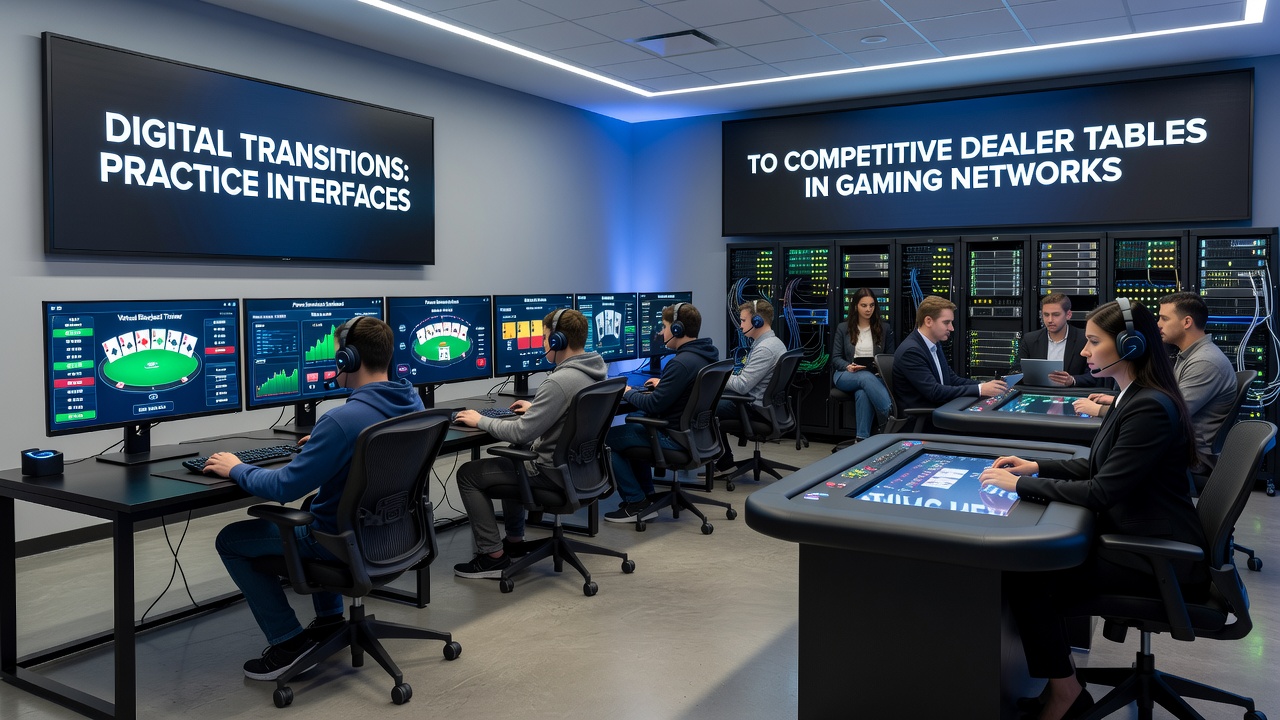
By June 2026, several major networks plan expanded use of 5G connectivity to minimize delays in cross-border sessions, and this infrastructure upgrade aligns with ongoing efforts by regulators in regions such as Australia and Canada to standardize technical requirements for live gaming operations.
Regulatory Frameworks Supporting Integrated Gaming Experiences
Regulatory bodies have adapted oversight mechanisms to address both practice and competitive formats within unified networks. The Australian Communications and Media Authority has issued guidelines requiring clear separation between free-play demonstrations and real-money tables, ensuring participants understand the distinction before entering competitive environments. Similar approaches appear in Canadian provincial frameworks, where licensing conditions mandate transparent data reporting on user progression from practice to live play.
These rules encourage operators to maintain audit trails that document how practice statistics influence table assignments or promotional eligibility. Observers note that such transparency reduces disputes and supports responsible gaming initiatives by allowing self-exclusion tools to apply consistently across interface types.
Network Architecture and Competitive Dynamics
Modern gaming networks employ modular architecture that routes users from practice servers to live dealer pools based on performance metrics or explicit selection. This design creates competitive ladders where successful practice sessions can qualify participants for higher-stakes tables or tournament entries. Data shows increased retention when networks offer seamless handoffs rather than requiring separate logins or account verifications.
Multiplayer synchronization protocols ensure that dealer actions appear simultaneously to all connected clients, and this consistency underpins trust in outcomes. Trade associations such as the American Gaming Association have compiled statistics indicating that integrated networks report higher average participation durations compared with standalone live or practice offerings.
Security layers including end-to-end encryption and multi-factor authentication protect transaction flows between practice wallets and live betting interfaces, while independent testing laboratories verify that random elements remain isolated from competitive outcomes.
Future Trajectories in Gaming Network Integration
Continued refinement of hybrid interfaces suggests further convergence between practice environments and competitive dealer tables. Emerging standards focus on interoperability so that achievements or preferences established in one mode transfer appropriately to the other without creating unintended advantages. Academic analyses of user behavior patterns continue to inform these developments, emphasizing measurable metrics over anecdotal observations.
Networks that prioritize clear progression pathways demonstrate sustained operational stability, and regulatory cooperation across jurisdictions supports consistent application of technical and consumer protection standards.
Conclusion
The transition from practice interfaces to competitive dealer tables represents an ongoing integration within gaming networks, driven by technological capabilities and shaped by regulatory expectations. As connectivity improves and oversight mechanisms evolve, these systems continue to link simulated preparation with real-time competition under structured conditions that prioritize fairness and compliance across regions.