Demo Modes Spark Intense Rivalries in Mobile Slot and Table Game Communities
Lars Schröder · Aug 6, 2026
Demo Modes Spark Intense Rivalries in Mobile Slot and Table Game Communities
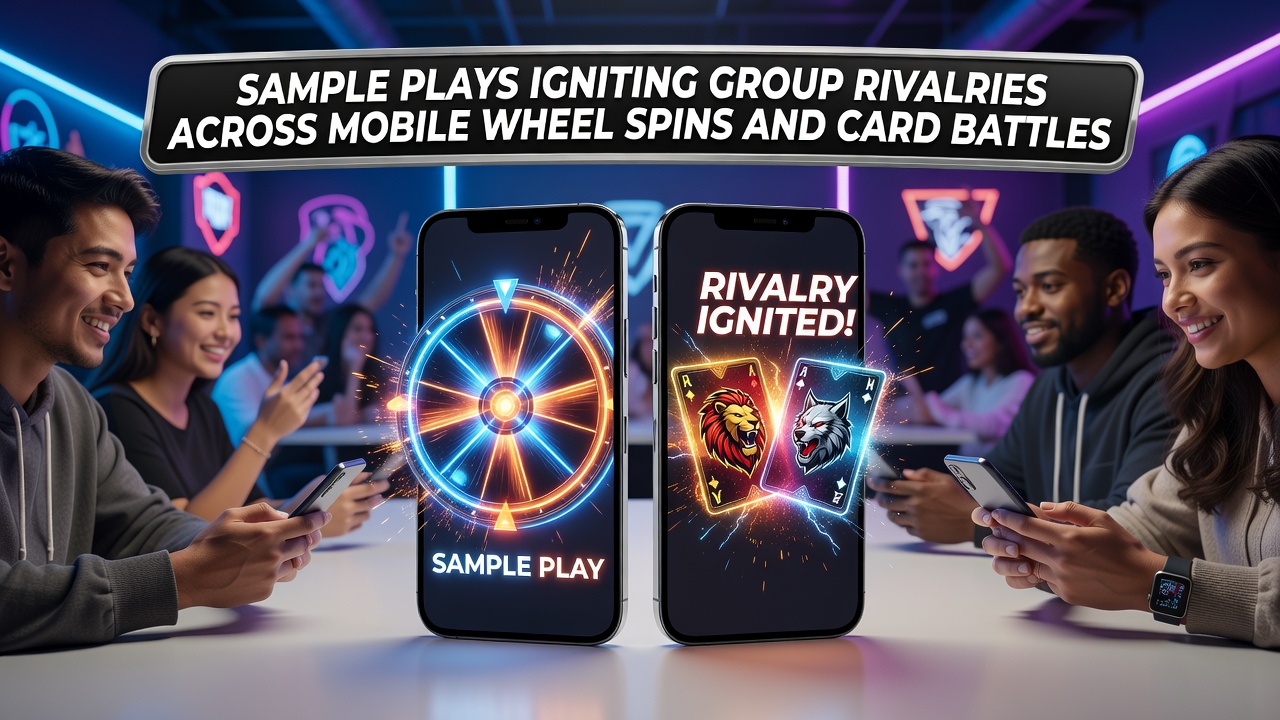
Demo versions of popular mobile games have become central to how communities form around wheel spin mechanics and card battle formats, and data from industry reports shows these trial modes often lead to organized rivalries among player groups. Observers note that platforms release sample plays allowing users to test spinning wheels and card matchups without financial commitment, yet these same features create spaces where teams track performance metrics and compare results across sessions. In August 2026 several regional events highlighted spikes in group formations tied directly to extended demo access periods.
Mechanics Behind Sample Play Engagement
Wheel spin games incorporate random number generators that determine outcomes on virtual reels or roulette-style wheels, while card battle titles rely on deck management and probability calculations during each round. Researchers from academic institutions have documented how unlimited demo access lets participants practice sequences repeatedly, and this repetition builds familiarity that later translates into competitive exchanges when groups move to live environments. Studies indicate players who spend extended time in trial modes develop shared strategies that they then defend against opposing circles in tournament settings.
Groups often establish leaderboards based on demo session statistics such as consecutive wins or bonus trigger frequencies, and these informal rankings fuel ongoing debates that spill over into social channels. Data collected by European gaming associations reveals that communities centered on specific titles experience measurable increases in interaction rates once demo features include social sharing options. Those who've examined participation logs point out that rival factions form when one group claims superior methods for triggering wheel features or managing card draws compared with another.
Regional Patterns in Group Competition
North American markets show distinct patterns where mobile users cluster around particular wheel spin titles and challenge each other through shared demo score screenshots. Australian regulatory bodies tracking digital gambling trends report that card battle communities coordinate weekly demo challenges that escalate into structured rivalries once participants transition to real-money events. These dynamics appear across multiple time zones, with peak activity noted during evening hours when international groups overlap.
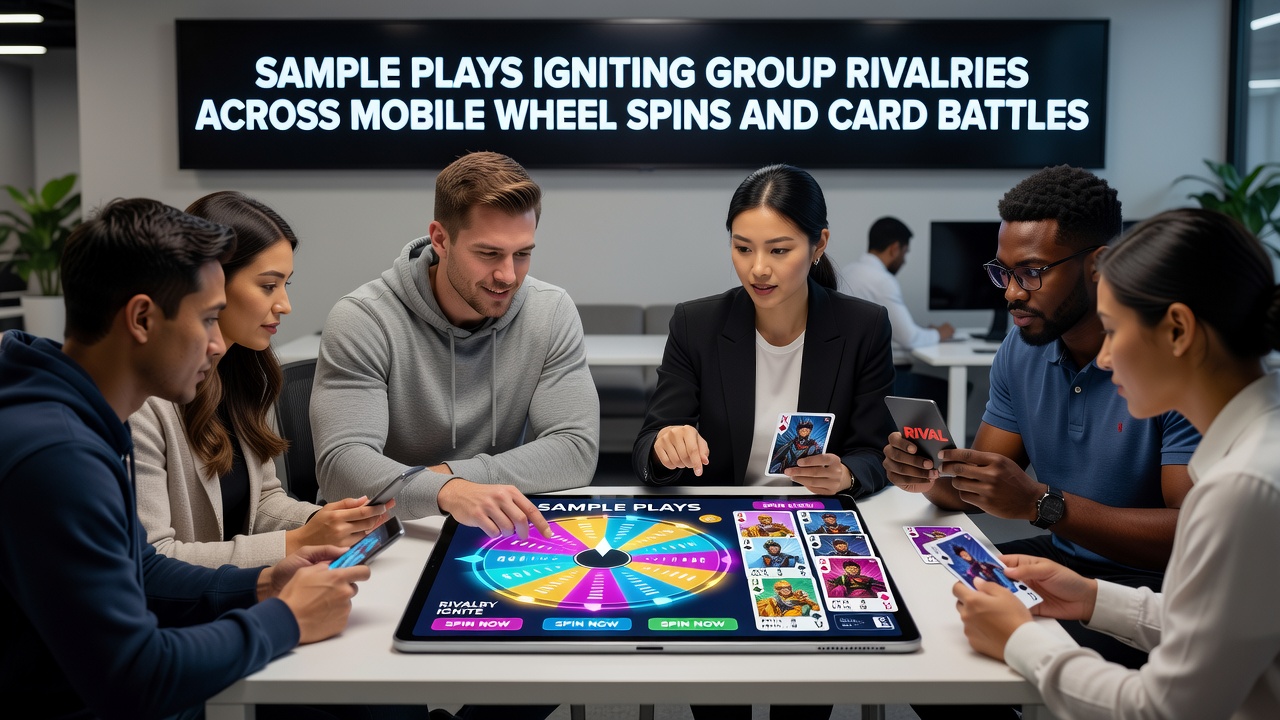
Observers tracking activity in Asia-Pacific regions find similar formations, although the focus tends toward mobile-optimized card sequences rather than wheel mechanics. Industry organizations note that language-specific forums serve as primary gathering points where rival teams post demo replays and debate optimal approaches. Figures from research papers published by university gaming departments indicate that such exchanges strengthen group identity while simultaneously sharpening the competitive edge each side brings to live tournaments.
Transition From Trials to Live Events
Players who master sequences in demo environments frequently carry those tactics into scheduled mobile tournaments, and this carryover effect intensifies existing rivalries. Tournament organizers have observed that teams arriving with extensive demo preparation records often dominate leaderboards during the opening rounds. According to information released by Canadian provincial gaming authorities, participation numbers in cross-platform events rose noticeably when demo modes incorporated identical rule sets to their live counterparts.
Groups maintain detailed records of past demo performances to predict outcomes in upcoming card battles or wheel spin rounds, and this documentation practice turns casual play into structured competition. What's interesting is how these records become reference points during disputes over strategy validity, with each faction citing specific trial runs as evidence. The reality is that sample plays provide the neutral ground where initial skill assessments occur before stakes increase in official matches.
Future Developments in Mobile Competition Structures
Developers continue to refine demo interfaces to include more detailed analytics, and this evolution supports deeper group analysis of performance data. Gaming trade associations expect further integration of social features that allow direct comparison between rival teams during trial sessions. Evidence from ongoing reports suggests these enhancements will sustain the cycle of rivalry formation across both wheel spin and card battle categories well into subsequent years.
Conclusion
Sample play features have established themselves as foundational elements that connect individual practice with collective competition in mobile gaming environments. Regional data and participation records demonstrate consistent links between demo access and the emergence of organized player groups focused on wheel spins and card battles. As platforms expand these trial systems, the patterns of rivalry documented through 2026 appear positioned to continue shaping community interactions across the sector.