Bonus Integration Strategies Across Portable Trial Systems and Real-Time Dealer Competitions
Noah Schwarz · Aug 25, 2026
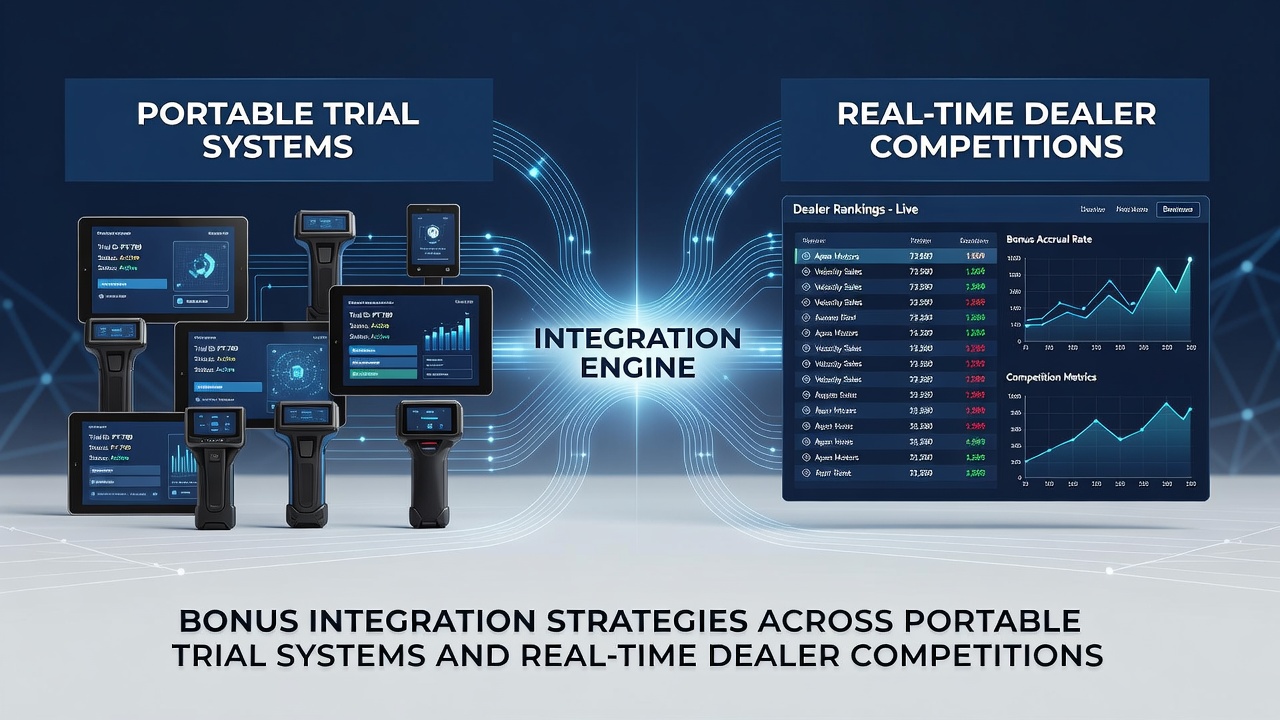
Data from industry reports shows portable trial systems allow users to test game mechanics before entering real-time dealer competitions where integrated bonuses can apply across both formats. Observers note these strategies emerged as platforms adapted to regulatory shifts and player preferences for seamless transitions between practice modes and competitive play. Research indicates that in August 2026 multiple operators updated their systems to sync bonus eligibility from demo sessions directly into tournament entries. Portable trial systems typically include free spin allocations and multiplier trials that carry over when participants qualify for live events. Studies from the Australian Gambling Research Centre reveal that such linkages increased retention rates by connecting demo progress to competition rewards without requiring separate registrations. Experts have observed operators using API frameworks to track user activity across devices and sessions while maintaining compliance with regional standards.Core Components of Integration Frameworks
Integration begins with data synchronization that maps trial outcomes to eligibility criteria for dealer competitions. Figures from the New Jersey Division of Gaming Enforcement highlight how real-time tracking prevents bonus duplication yet permits accumulation across formats. Those who manage these systems often employ cloud-based ledgers that update in milliseconds during live events.
One case involved a platform that linked mobile demo multipliers to entry fees for roulette tournaments. According to industry analyses this approach reduced friction for participants moving from practice to paid competition. The process uses token-based verification that preserves anonymity while confirming trial completion.
Technical Implementation Across Regions
Platforms in the European Union rely on standardized protocols under the Malta Gaming Authority guidelines to ensure bonus data flows securely between trial apps and live dealer servers. Canadian provincial regulators have examined similar models where trial bonuses convert into tournament chips upon qualification. Data shows these conversions occur through encrypted handshakes that maintain session integrity during high-volume events.
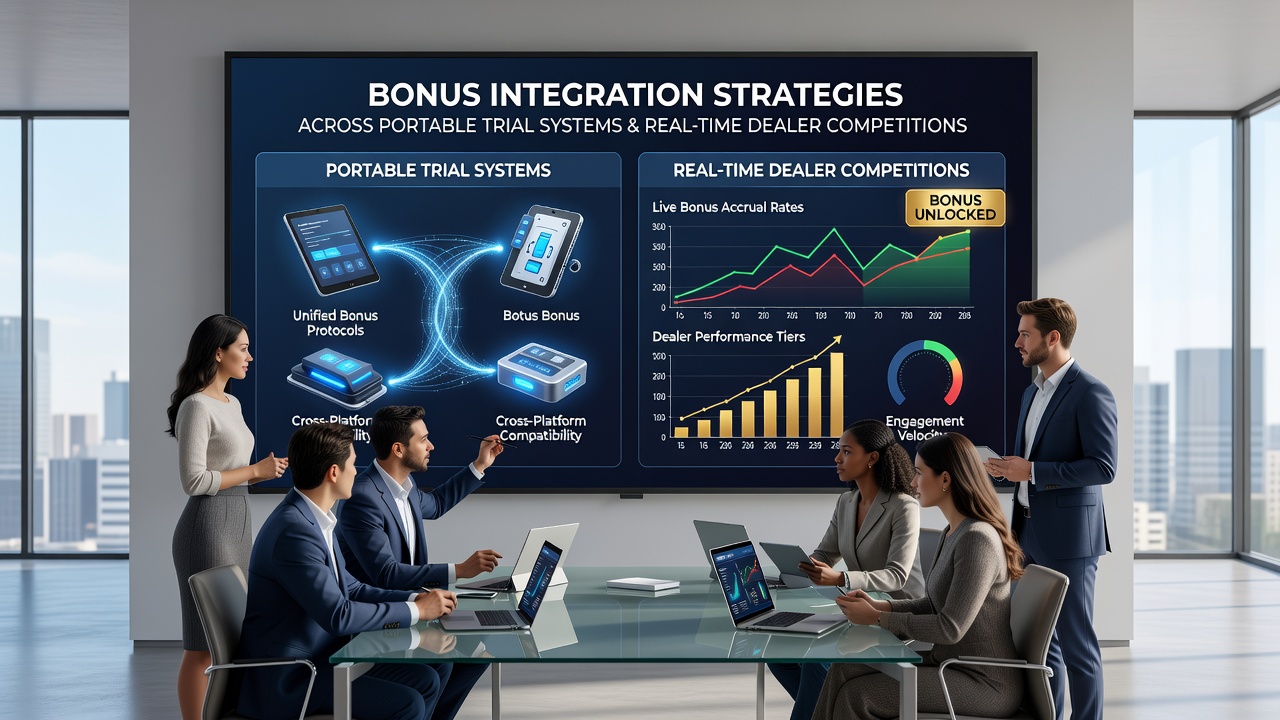
Implementation often involves middleware layers that translate trial metrics into competition parameters. Researchers discovered that latency under 200 milliseconds proves critical for maintaining engagement when users switch from portable trials to real-time tables. Observers note that August 2026 updates introduced enhanced fallback mechanisms to handle network interruptions without losing accumulated bonus value.
Regulatory Considerations and Data Tracking
Regulatory bodies require clear disclosure of how trial bonuses influence competition outcomes. Reports from the Nevada Gaming Control Board emphasize audit trails that document every transfer of promotional value between systems. Those overseeing compliance frequently conduct quarterly reviews to verify that integration does not create unintended advantages for certain user segments.
Platforms must segment bonus pools so that demo-derived rewards remain distinct from live competition incentives yet still combine at payout stages. Evidence suggests this separation helps satisfy cross-border licensing requirements while preserving player trust in the process.
Future Developments in August 2026 and Beyond
Updates scheduled for later in 2026 focus on expanding AI-driven personalization within these integrated environments. Academic papers from university gaming studies programs indicate that predictive models can anticipate when trial users will transition into dealer competitions and pre-allocate matching bonuses accordingly. Such models draw on aggregated anonymized data rather than individual profiles to stay within privacy regulations.
Industry associations continue to publish best practices that balance innovation with responsible gaming measures. The American Gaming Association has documented cases where integrated systems reduced problem gambling indicators by allowing smoother practice-to-competition pathways.
Conclusion
Bonus integration across portable trial systems and real-time dealer competitions relies on synchronized data flows, regional compliance frameworks, and technical middleware that together create continuous promotional experiences. Reports confirm these methods gained traction through 2026 as operators responded to player demand for connected formats. Continued refinement of tracking protocols and regulatory alignment will shape how such strategies evolve in subsequent periods.